
African Peanut Stew (Domoda)

This post may contain affiliate links. See my disclosure policy.
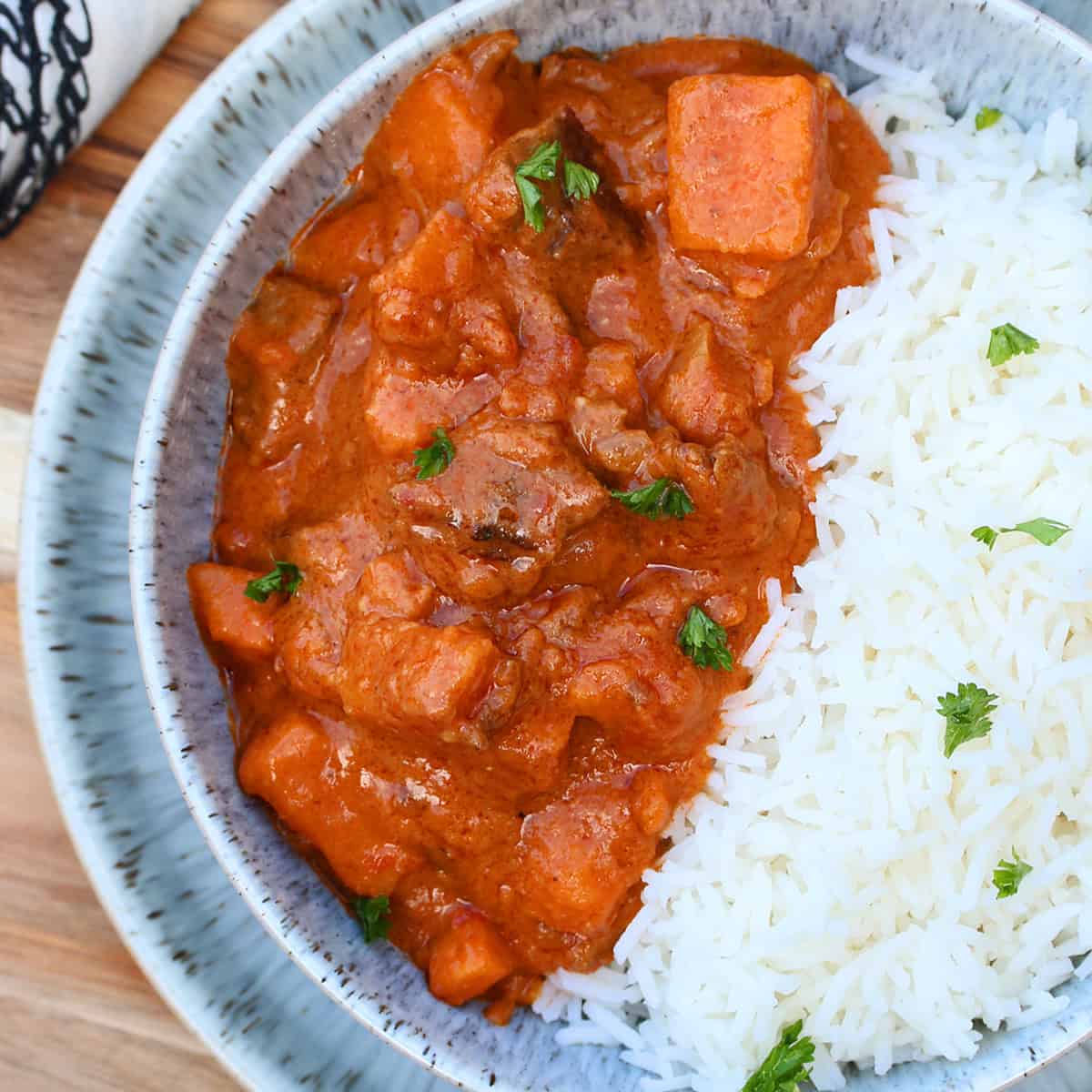
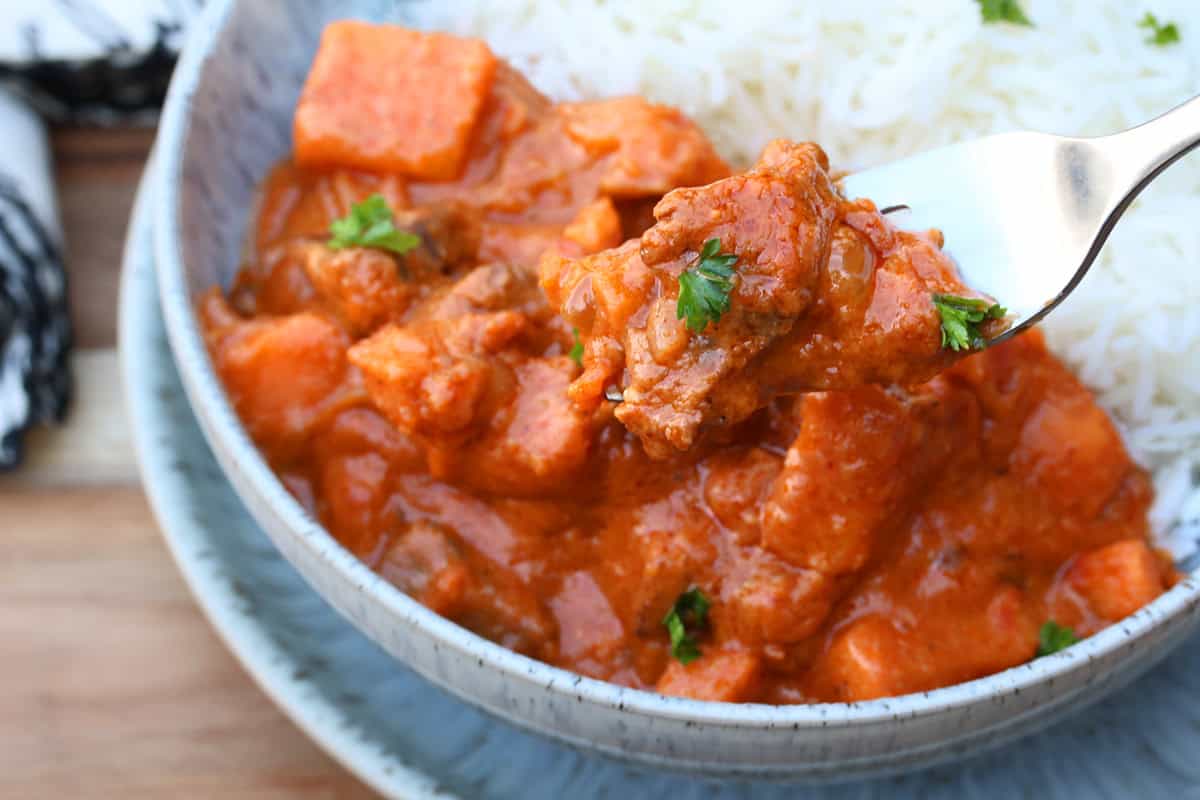
An incredibly rich, delicious and traditional African peanut stew recipe, this Domoda tastes even better the next day! Domoda is the national dish of Gambia and deservedly so because it is absolutely fabulous comfort food!
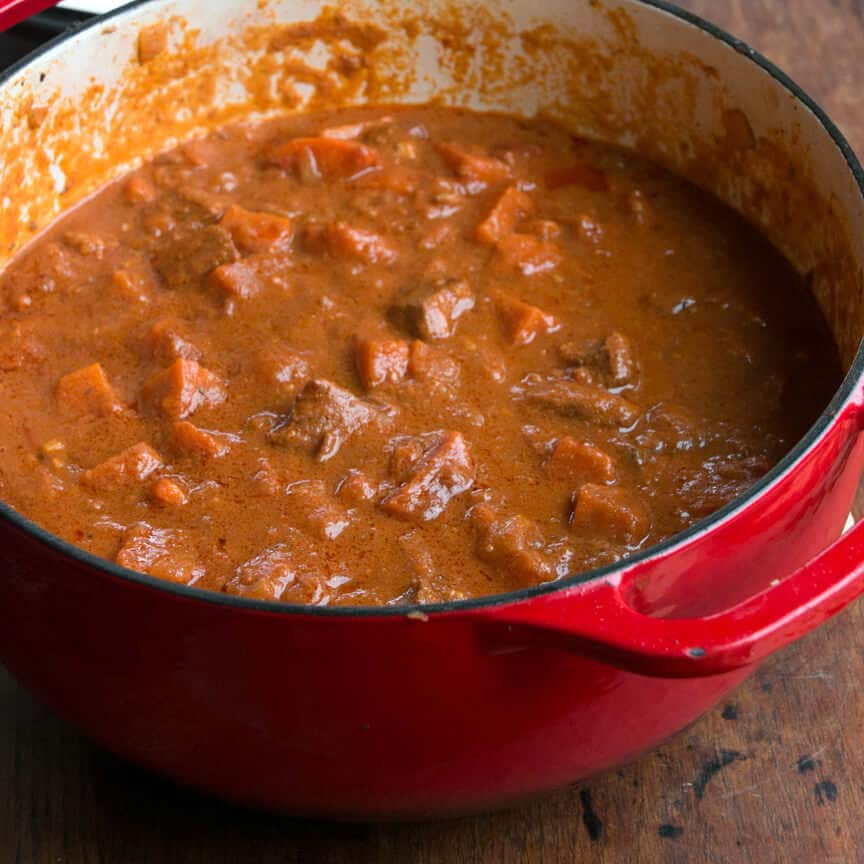
What is Domoda?
Domoda, a West African peanut stew, is the national dish of Gambia. It is a delicious “groundnut stew” (peanuts) consisting of whatever vegetable happens to be available, typically pumpkin or sweet potatoes, and a saucy base. Whether vegetarian or including meat, the base is pretty consistent: A rich and flavorful sauce featuring ground peanut paste (or unsweetened peanut butter), fresh tomatoes, and tomato paste. Caramelized onions, beef (or chicken), tomato broth and hot chili peppers are also added.
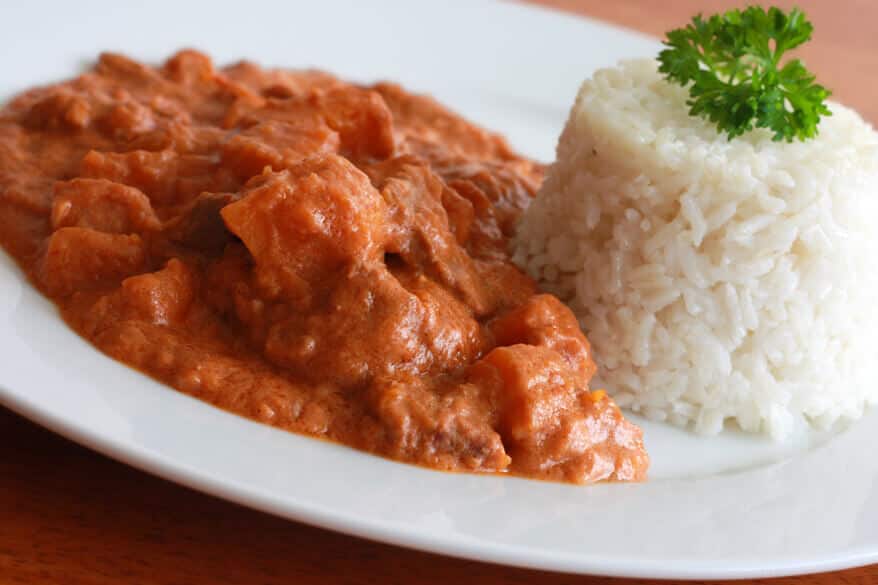
Though Gambia is the smallest country on mainland Africa, it’s culture and history are diverse. Situated in West Africa, Gambia was a British commonwealth until 1965 when it gained independence. The land is relatively more fertile than other parts of Africa and Gambia’s economy is dominated by farming, fishing and tourism. Thus, they’re able to grow things like the pumpkins and sweet potatoes that are common to Gambian cuisine and featured in this domoda stew.
Because of the expense of meat in this region of Africa, this African peanut stew is also commonly made without meat, the pumpkin or sweet potato being the bulk of the nutrition. And when available, beef and chicken are both readily used.
This African Peanut Stew recipe is true to its traditional roots. It’s a simple dish to make with a rich and rewarding flavor and believe me when I say that’s it’s African comfort food at its best!
African Peanut Stew Ingredients
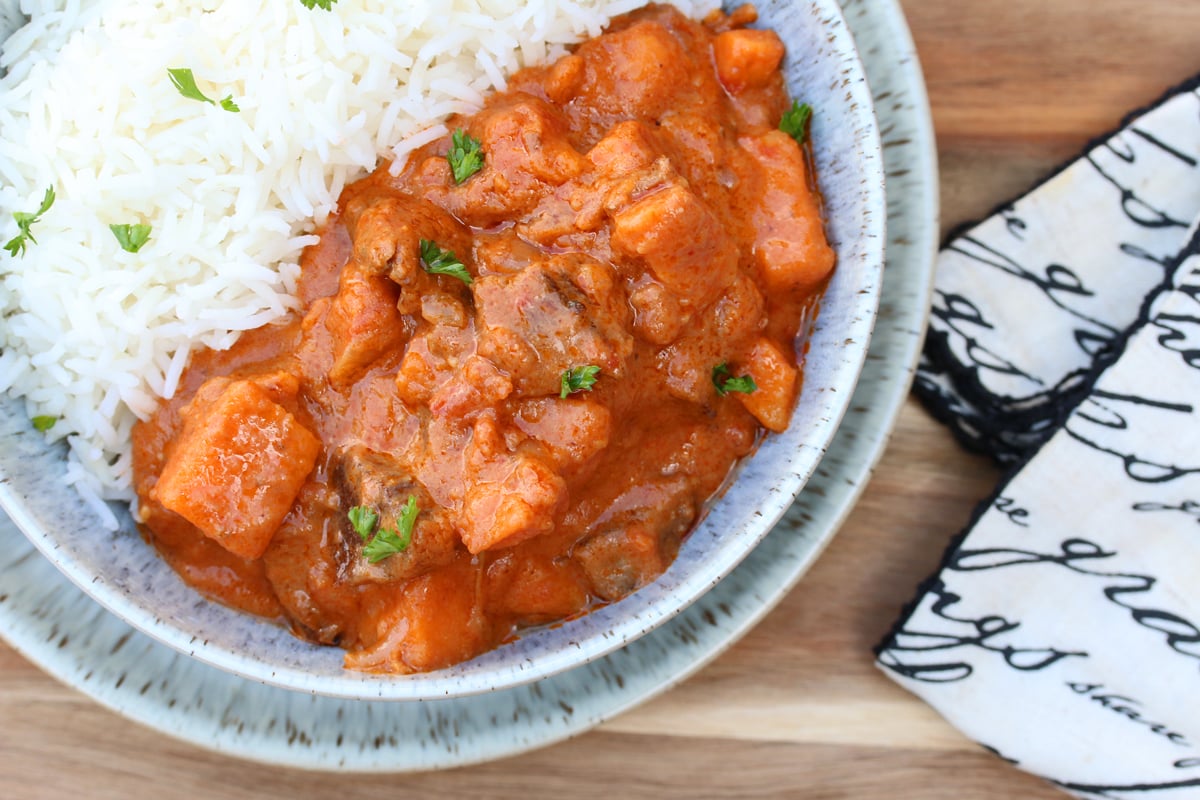
The ingredients in this traditional Domoda are relatively few and simple but the flavor outcome is out of this world. Here is what you’ll need to make it:
- Meat: I say meat because this stew is traditionally made with whatever meat the family has available. The most common choices are beef or chicken but you can also use lamb or game. My favorite is beef but I’ve made it with chicken too and it likewise produces great results.
- Peanut Butter: The star of the flavor show, this contributes a beautifully nutty, earthy flavor and a creamy texture to the rich sauce. If you like a bit of texture contrast you can use chunky peanut butter, but I prefer smooth in this dish. Whichever you choose, use natural, unsweetened peanut butter.
- Tomatoes: These add both a touch of sweetness and acidity and also contribute a beautiful orange hue. We’re using a combination of diced tomatoes and tomato paste for a more concentrated flavor to cut through the robustness of the peanut butter.
- Onions and Garlic: For that irreplaceable earthy element that pairs so well with the sweetness of the tomatoes.
- Broth: Domoda is typically made with tomato bouillon cubes, usually Maggi or Knorr; this product is pretty ubiquitous in Africa and is used in a lot of stews, including in Plasas, an African Chicken Peanut Stew. This product is also readily available in Europe and Mexico but less common in the U.S. You can buy it online or you can substitute beef or chicken broth.
- Pumpkin: Pumpkin is traditional but sweet potato is also used; your choice.
- Chilies: Scotch bonnet chilies are typically used but you can use another hot chili of your choice or omit it entirely if you don’t want the heat.
This African peanut stew is packed full of goodness and is naturally gluten-free, dairy-free and paleo!
African Peanut Stew Recipe
Let’s get started!
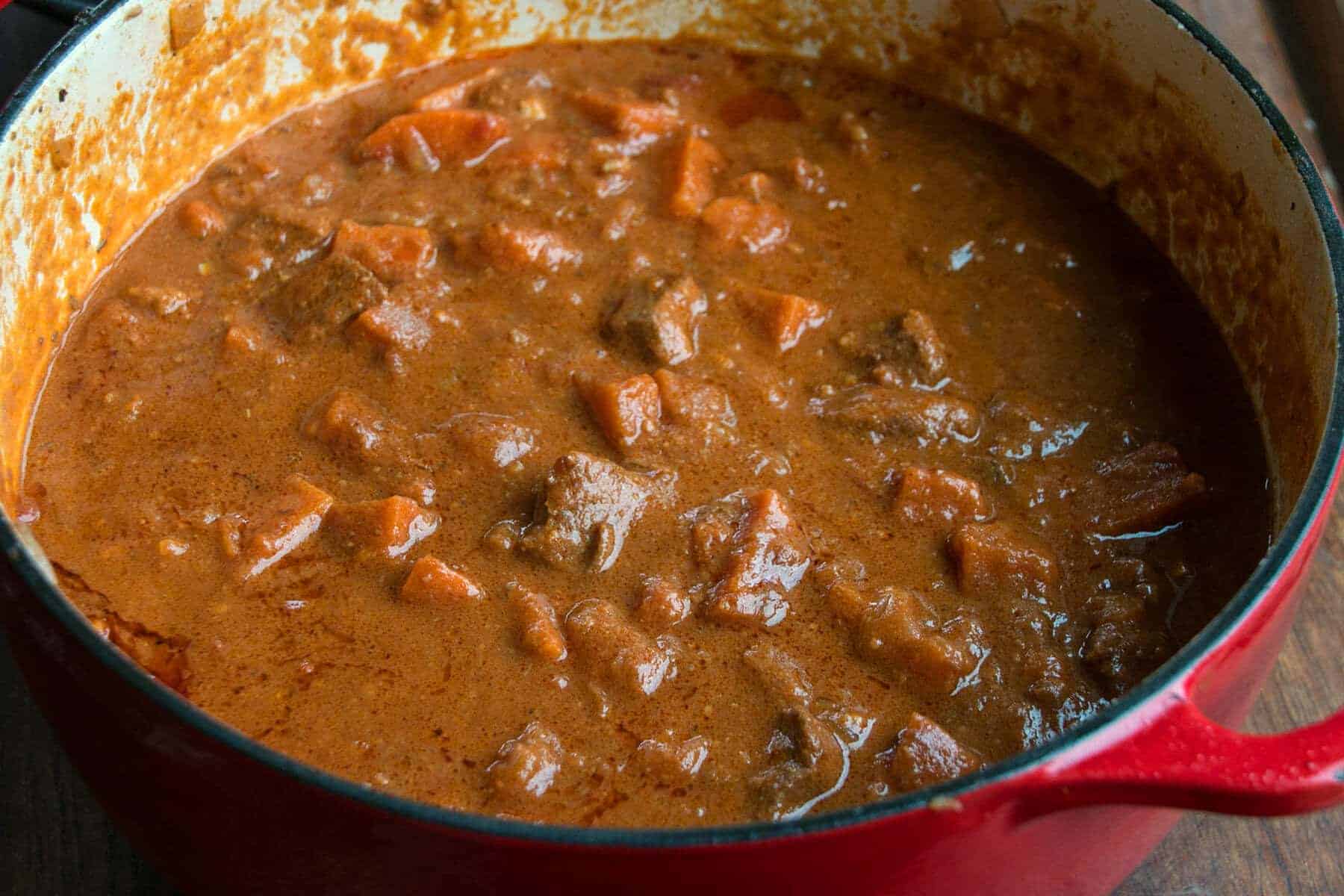
Heat the oil in large Dutch oven or heavy saucepan. Saute the onions until golden. Add the beef and garlic and continue to sauté until the beef is no longer pink. Add the tomatoes, tomato paste and chilies (is using).
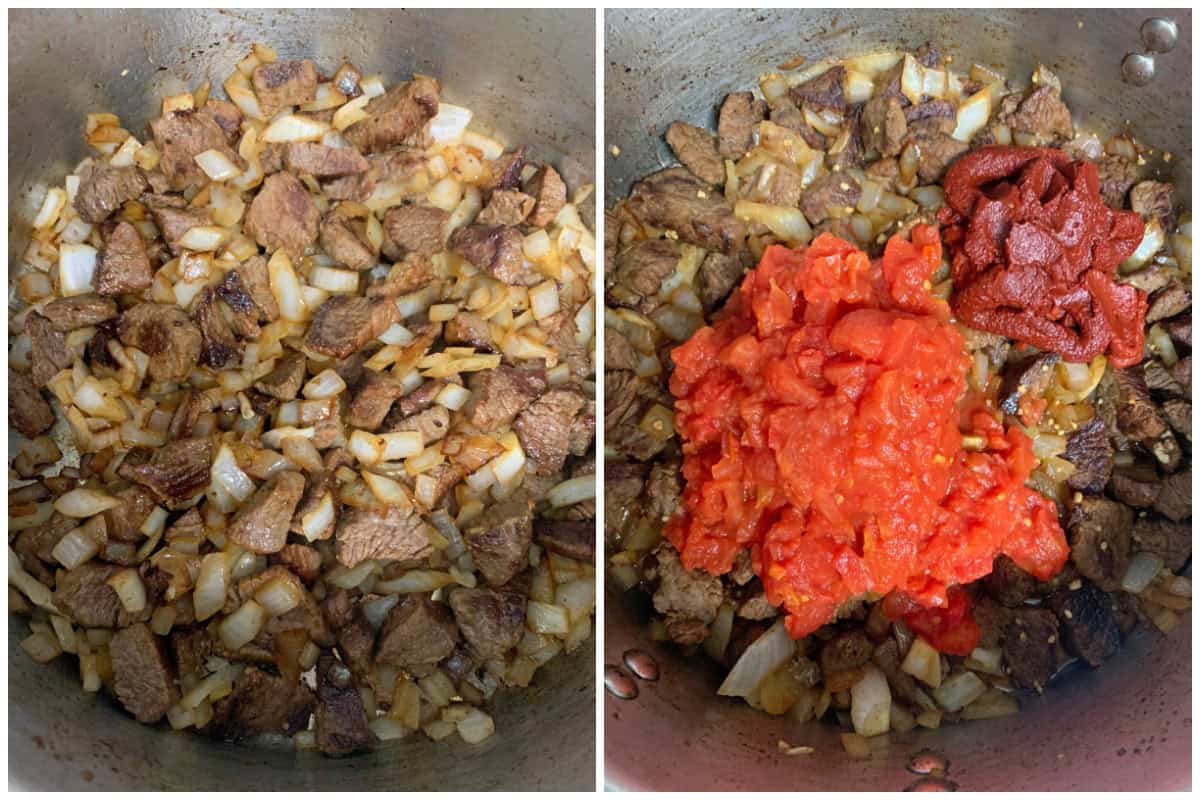
Cook for the 3-4 minutes.
Add the peanut butter and stir to combine.
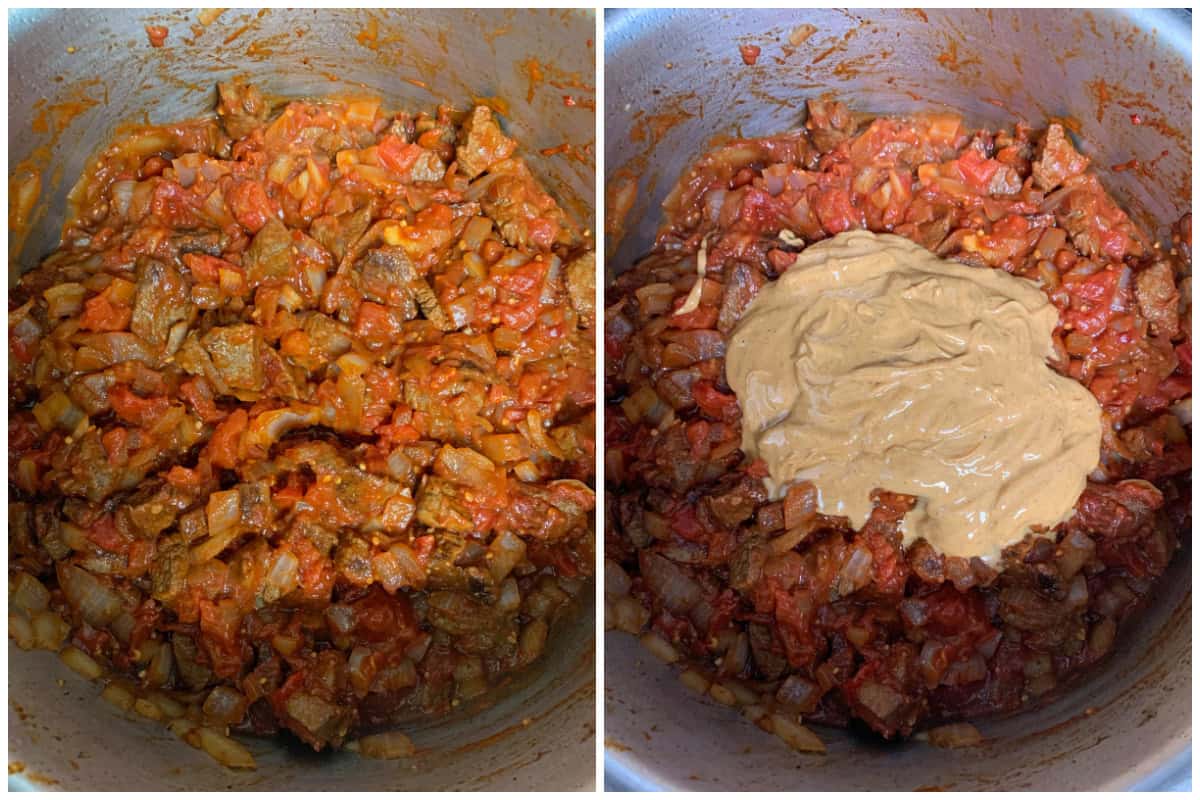
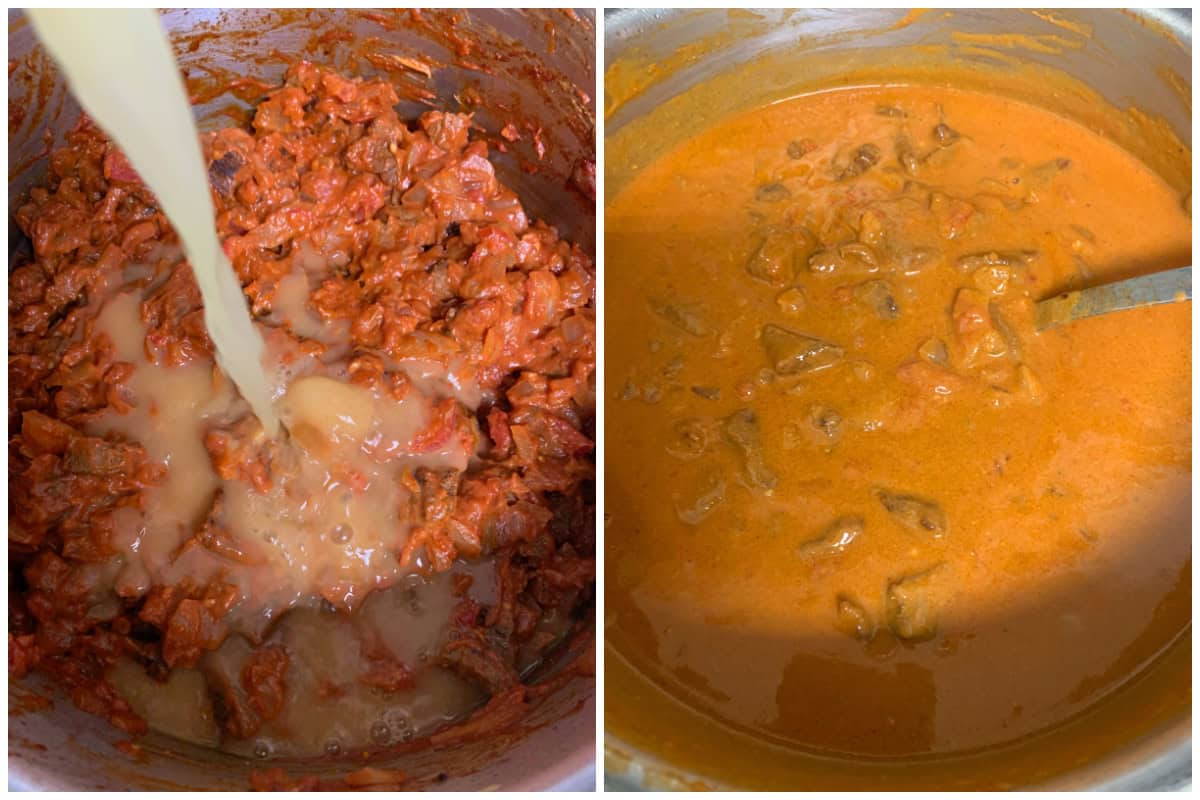
Add the water and tomato bouillon. Bring to a boil, reduce heat, cover, and simmer for 30 minutes, stirring occasionally.
Add squash, cover, and continue to cook for 30-40 minutes or until the pumpkin is tender, stirring occasionally.
Season with salt and pepper.
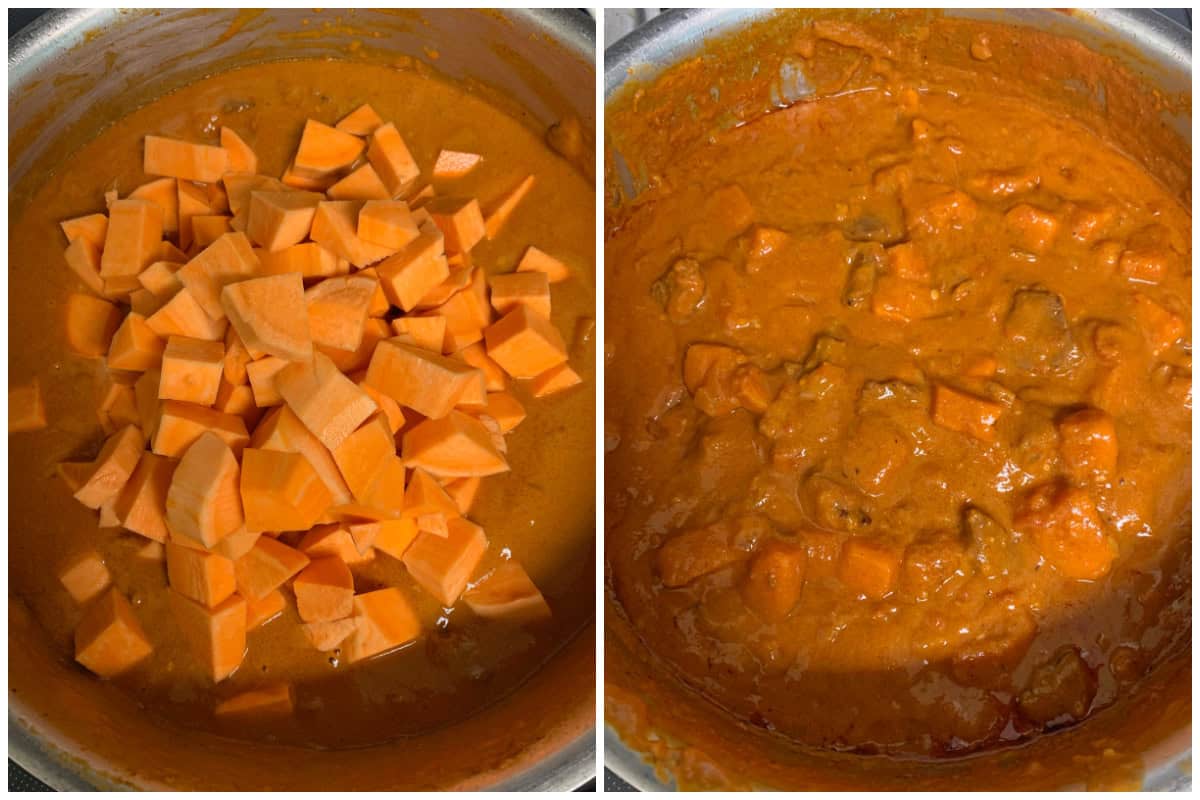
African peanut stew can be eaten as is, as a stew, or bulked up by serving it with steamed rice.
This stew tastes even better the next day after the flavors have had time to develop.
Advance Preparation & Storage
This African peanut stew recipe is and ideal make-ahead dish because it tastes even better the next day. It will store in the fridge for 4-5 days and it also freezes well for up to 4 months. Let it thaw in the fridge overnight and reheat it in the microwave on on the stovetop.
Enjoy!
For more delicious African dishes be sure to try my:
Save This Recipe
African Peanut Stew (Domoda)
Ingredients
- 1 lb beef steak or chuck , cut into 1/2 inch chunks; can substitute chicken breast or use bone-in chicken pieces (simmer them in the sauce; once cooked leave the pieces whole or remove the meat from the bones and add it back to the stew)
- 1 large onion , diced
- 2 tablespoons cooking oil (avocado, canola, etc)
- 3 cloves garlic , minced
- 3 Roma tomatoes , finely diced (or 3/4 of a 14.5 ounce can)
- 3 ounces concentrated tomato paste
- Scotch bonnet chilies , diced, according to heat preference (optional)
- 3/4 cup natural unsweetened peanut butter
- 4 tomato bouillon cubes (this is traditional in Africa for this stew; can substitute beef or chicken broth)
- 3 cups water
- 4 cups pumpkin or sweet potato , diced
- salt and pepper to taste
Instructions
- Heat the oil in large Dutch oven or heavy pot. Saute the onions until golden. Add the beef and garlic and continue to sauté until the beef is no longer pink. Add the tomatoes , tomato paste and chilies (if using) and cook for 3-4 minutes. Stir in the peanut butter. Add the water and tomato bouillon. Bring to a boil, reduce heat, cover, and simmer for 30 minutes, stirring occasionally. Add squash, cover, and continue to cook for 30-40 minutes or until the pumpkin is tender, stirring occasionally. Season with salt and pepper.Serve on its own as a stew or with steamed rice for a more substantial meal. This stew tastes even better the next day after the flavors have had time to develop.
Nutrition
Originally published on The Daring Gourmet March 2, 2013

Hi, I’m Kimberly Killebrew and welcome to Daring Gourmet where you'll find delicious originals, revitalized classics, and simply downright good eats from around the world! Originally from Germany, later raised in England, world-traveled, and now living in the U.S., from my globally-influenced kitchen I invite you to tour the world through your taste buds!

















Hi I dated a man from Gambia and he was a good man but I could not live in the state he was in any longer and it does to this day makes me sad but the one great thing he taught me was how to cook African food but I could not totally remember the chicken stew recipe at least not the way he made it. I found you and this recipe and I said that is it, this is the recipe, only he used hot spices not chilies so I used what he used not the chilies here and it was so good. Thank you so much for giving me back a memory of someone I once loved very much, thank you.
That’s wonderful, Susan, I’m so happy to hear that, thank you!
Truth be told, I have been cooking Domoda for years same way as when I started cooking. I tried your method today and it tastes GOOD! Fantastic way of cooking ground nut soup.
I’m so glad, Pa, and appreciate the feedback, thank you!
I wasn’t sure what a Dutch Oven was – so I looked it up and got a very strange answer. The recipe is great though – with or without a Dutch oven.
Hi Alan, it’s simply a heavy cast iron pan and isn’t necessary to make the stew. I’m so glad you enjoyed it, thank you!
Can’t wait to to make this on Sunday. I’m gonna make it with almost, that’s what I’m used :)
hi kim.iam a kenyan and we have our own version of domoda. but we dont put no sweetpotatoes carrots peas or melons in the stew. other than that its okay + some lemon juice
Hi Chris, I’ve only had the Gambian version, thanks for the insights on the differences between Kenyan and Gambian domoda.
Lived in Gambia for Many years..The recipe is pretty much spot on..just missing lemon juice..
Awesome, thank you, Rush!
Thank you for your perfect recipe, I live in The Gambia,we have a small hotel, we serve Domoda as one of our ‘specials of the night’
Thank you, Nikki, and friendly greetings to The Gambia! I checked out your hotel, The Plantation, and it looks like a wonderful place to stay. Especially when you’re serving such great food :)
Sorry, but you are mistaken. This receipe does not include potatoes, carrots or sweet potatoes. However, you can include okra or bitter tomato or both.
Isatou, this recipe doesn’t include potatoes or carrots so I’m not sure what you’re referring to. However, many traditional versions do include pumpkin or sweet potatoes.
Right Isatou!!! I have never had Domoda with squash or potatoes!!!
onions, sweet potatoes and baby carrots are all you need in Domoda :)
hey it can contain potatoes to ur liking i dont know about the sweet potatoe and carrot but the irish potatoe can be added