
Baharat

This post may contain affiliate links. See my disclosure policy.
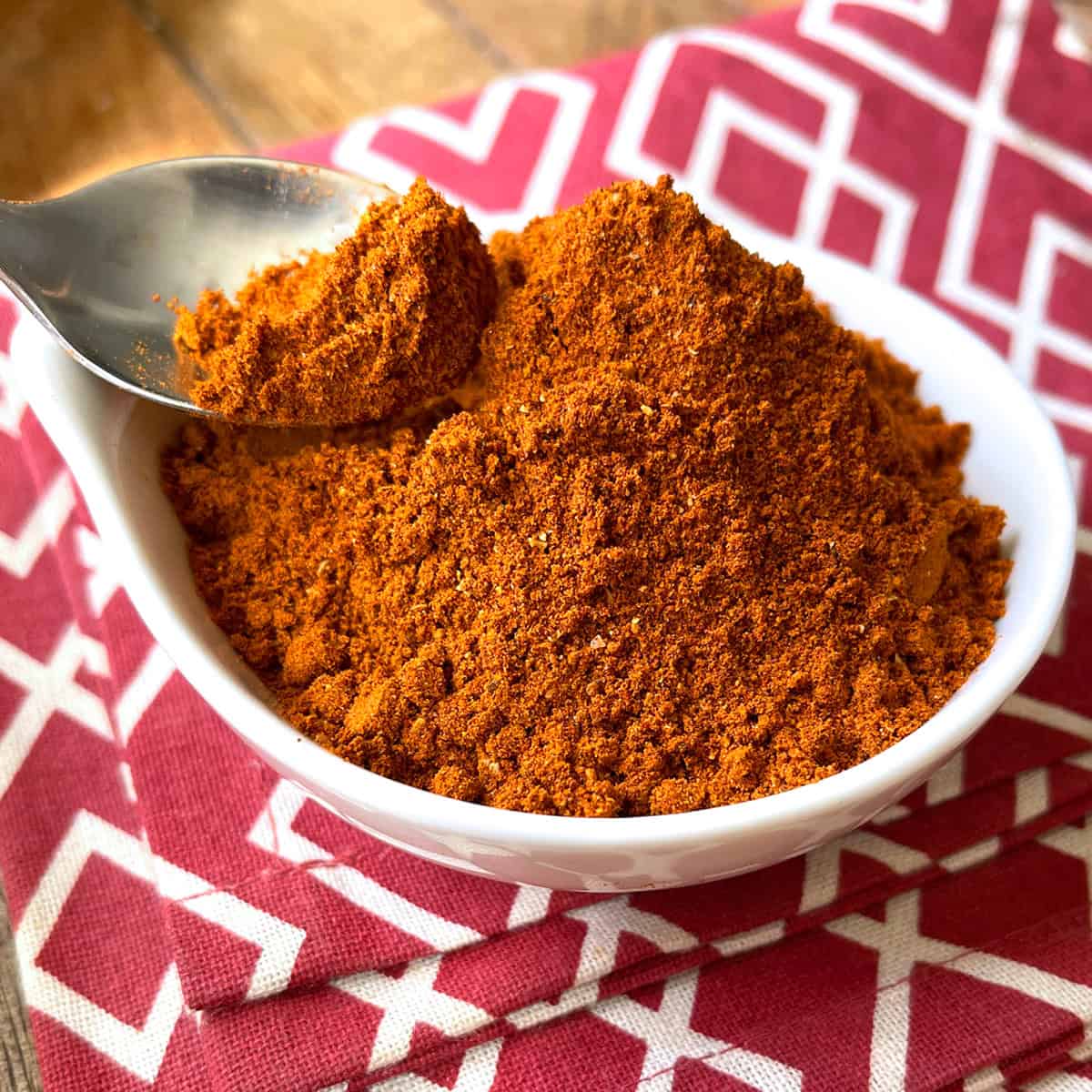
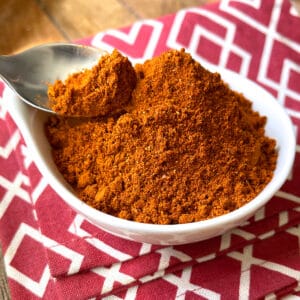
An authentic and versatile spice blend, this homemade Baharat recipe is quick and easy to make and serves as a wonderful all-purpose Middle Eastern seasoning blend that will bring life and flavor to your food!
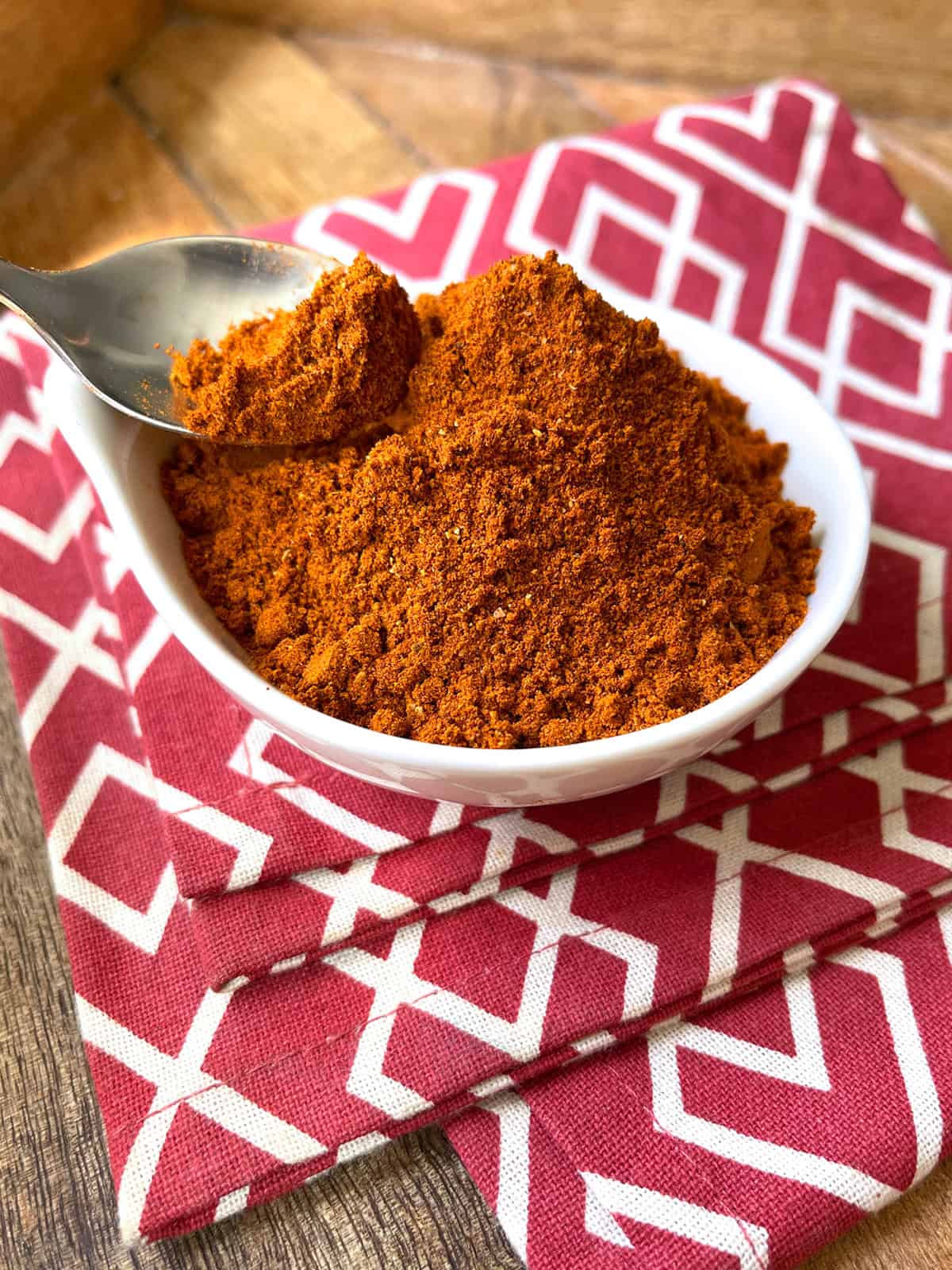
What is Baharat?
Baharat, Arabic for “spice”, is a special an all-purpose spice blend widely used in Middle Eastern cuisine. Just a pinch of Baharat spice adds depth and flavor to sauces, soups, grains, vegetables, stews and meat. Middle Eastern food is phenomenal. Those of you who have taken the time to explore the various cuisines of the Middle East will agree. I have spoken to many people who say they would love to be able to make authentic Middle Eastern food at home, but are intimidated by some of the recipe ingredients, such as Baharat. What is it? What’s in it? Where can you find it?
Unless you have a Middle Eastern store in your area or order it online, this spice blend can be challenging to find. However, as with any spice blend, it makes such a difference in the flavor outcome of your dish when you make it fresh in your own kitchen anyway. So I’m going to share my baharat recipe with you so that you can use it to make phenomenal tasting, authentic Middle Eastern food right at home!
Baharat Spice Ingredients
I use and recommend whole spices for making baharat. For maximum flavor, there is simply no comparison between using pre-ground and toasting and grinding your own whole spices. Here are the spices you will need to make this baharat seasoning blend:
- Black peppercorns
- Cumin seeds
- Coriander seeds
- Whole cloves
- Cardamom seeds
- Paprika
- Ground cinnamon
- Ground nutmeg
Baharat Recipe
To make baharat heat a small skillet over medium-high heat, make sure it’s completely dry, and toast the whole spices until they become very fragrant, about 3-5 minutes, stirring regularly to prevent scorching (this will make them bitter). Transfer the toasted spices to a bowl and allow them to cool completely before grinding them in a spice or coffee grinder along with the paprika, cinnamon and nutmeg.
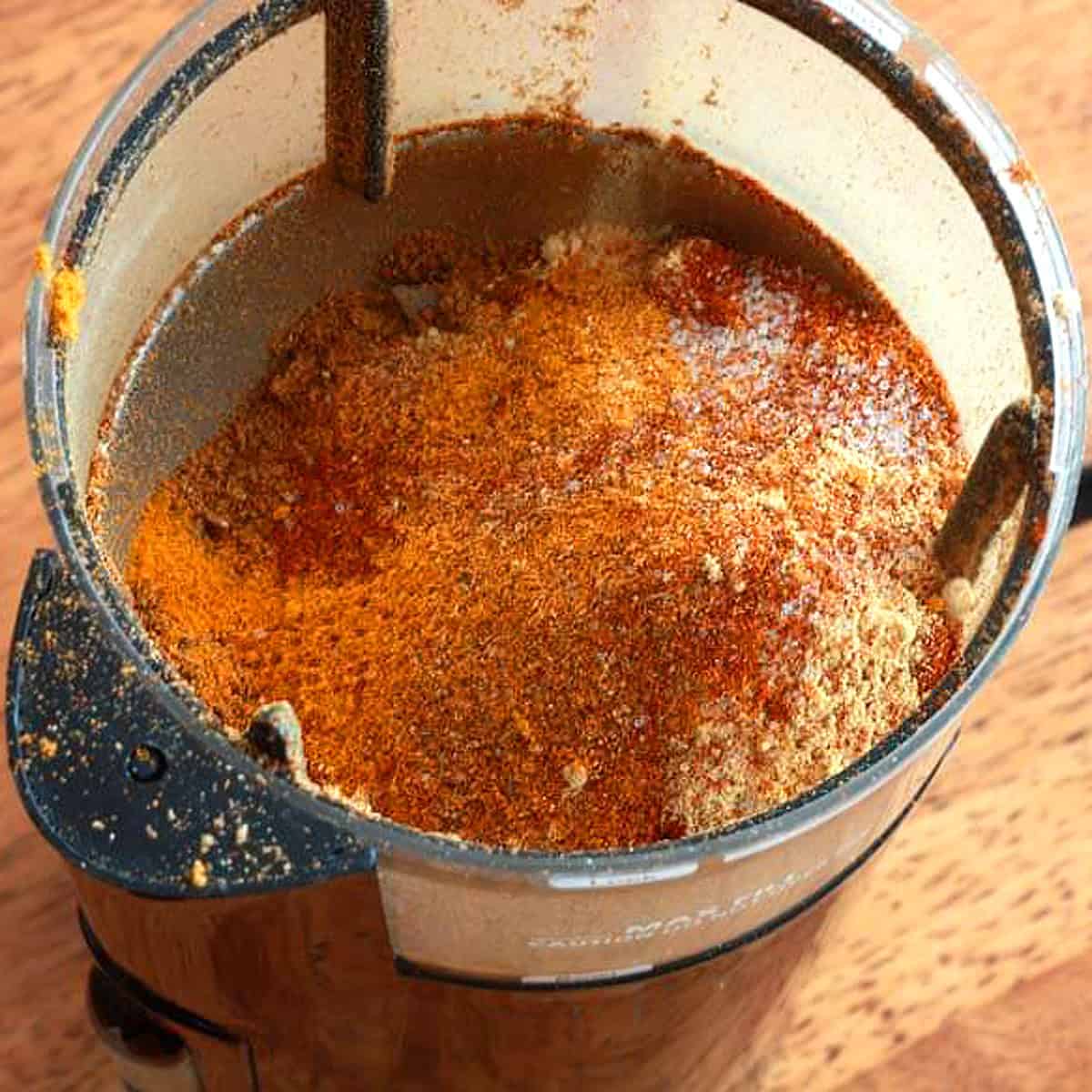
Keep your baharat spice stored in an airtight glass jar.
It will keep for several months for the best, most potent flavor, use it within 3 months.
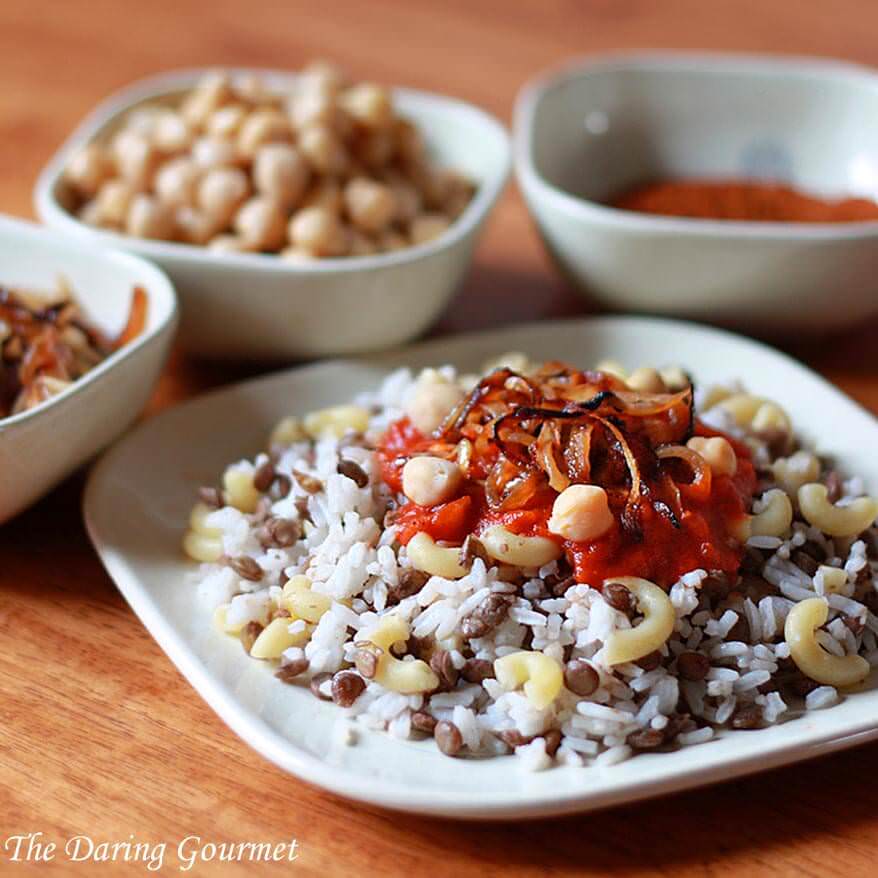
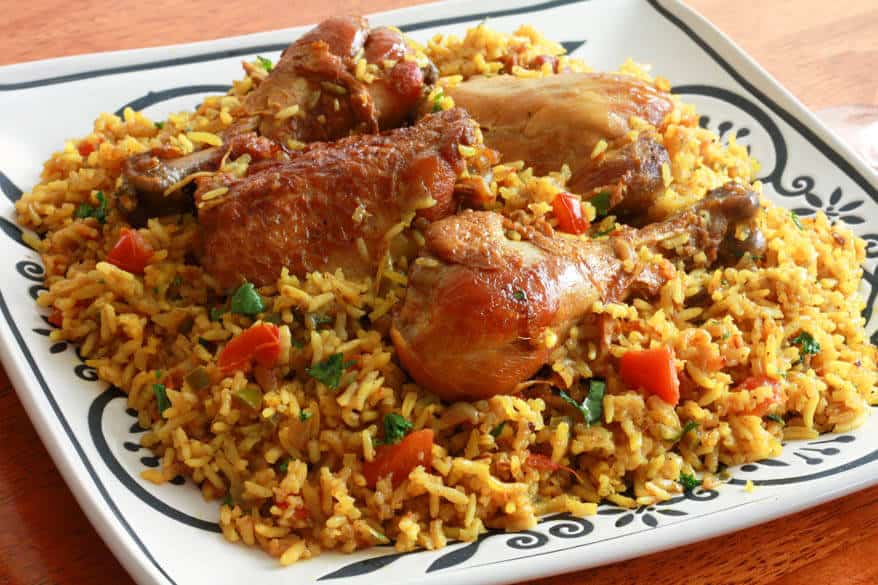
Two delicious and authentic Middle Eastern dishes that call for Baharat spice that I think you’ll love are:
Koshari, the national dish of Egypt.
Chicken Machboos, the national dish of Bahrain.
For more seasoning blends from around the world try my:
- Za’atar
- Dukkah
- Chili Powder
- Montreal Steak Seasoning
- Chinese Five Spice
- Greek Seasoning
- Shichimi Togarashi
- Old Bay Seasoning
- Curry Powder
- Garam Masala
- Sazon Seasoning
- Creole Seasoning
- Old Bay Seasoning
- Jamaican Jerk Seasoning
- Berbere
- Panch Phoron
- Mixed Spice
Save This Recipe
Baharat
Equipment
Ingredients
- 1 tablespoon black peppercorns
- 1 tablespoon cumin seeds
- 2 teaspoons coriander seeds
- 1 teaspoon whole cloves
- 1/2 teaspoon cardamom seeds
- 1 1/2 tablespoons paprika
- 1 teaspoons ground cinnamon
- 1/4 teaspoon ground nutmeg
Instructions
- Heat a small skillet over medium-high heat and dry roast the whole spices/seeds (set aside the paprika, cinnamon and nutmeg) until they become very fragrant, about 3-5 minutes, tossing regularly to prevent scorching. Transfer them to a bowl and allow them to cool completely before grinding them in a spice or coffee grinder along with the paprika, cinnamon and nutmeg. Keep stored in an airtight glass jar.
Nutrition
Originally published on The Daring Gourmet June 17, 2013


Hi, I’m Kimberly Killebrew and welcome to Daring Gourmet where you'll find delicious originals, revitalized classics, and simply downright good eats from around the world! Originally from Germany, later raised in England, world-traveled, and now living in the U.S., from my globally-influenced kitchen I invite you to tour the world through your taste buds!

















I never made a spice blend before, and this was pretty fun. Unfortunately I live in the middle of nowhere, so things like coriander seed and cardamom pods are not possible to get from stores. I toasted ground coriander and cardamom as a substitution. Also, I really dislike the flavor of clove so I reduced the amount I used. What’s great about making the spice blend from scratch is you can alter the proportions of the spices and reduce or leave out ones you don’t like. However, saying that, I have to admit that even though I did add some clove, I couldn’t taste it in the final product. I made a double batch of this recipe and stored some in a jar so I can try it with a variety of recipes. It seems to be very versatile.
That’s great, MJB, I’m happy you enjoyed it. And that’s exactly right, an advantage of homemade blends – besides tasting better/more vibrant – is the ability to customize them. Yes, it really is a versatile blend. Thanks so much for the feedback!