
Bavarian Cream (Crème Bavaroise)

This post may contain affiliate links. See my disclosure policy.
This homemade Bavarian Cream recipe, or Crème Bavaroise, is much easier to make than you may think. Just a handful of ingredients will create a wonderfully rich, creamy, and silky-smooth filling you can use in your cakes, pastries, donuts, trifles, and more!
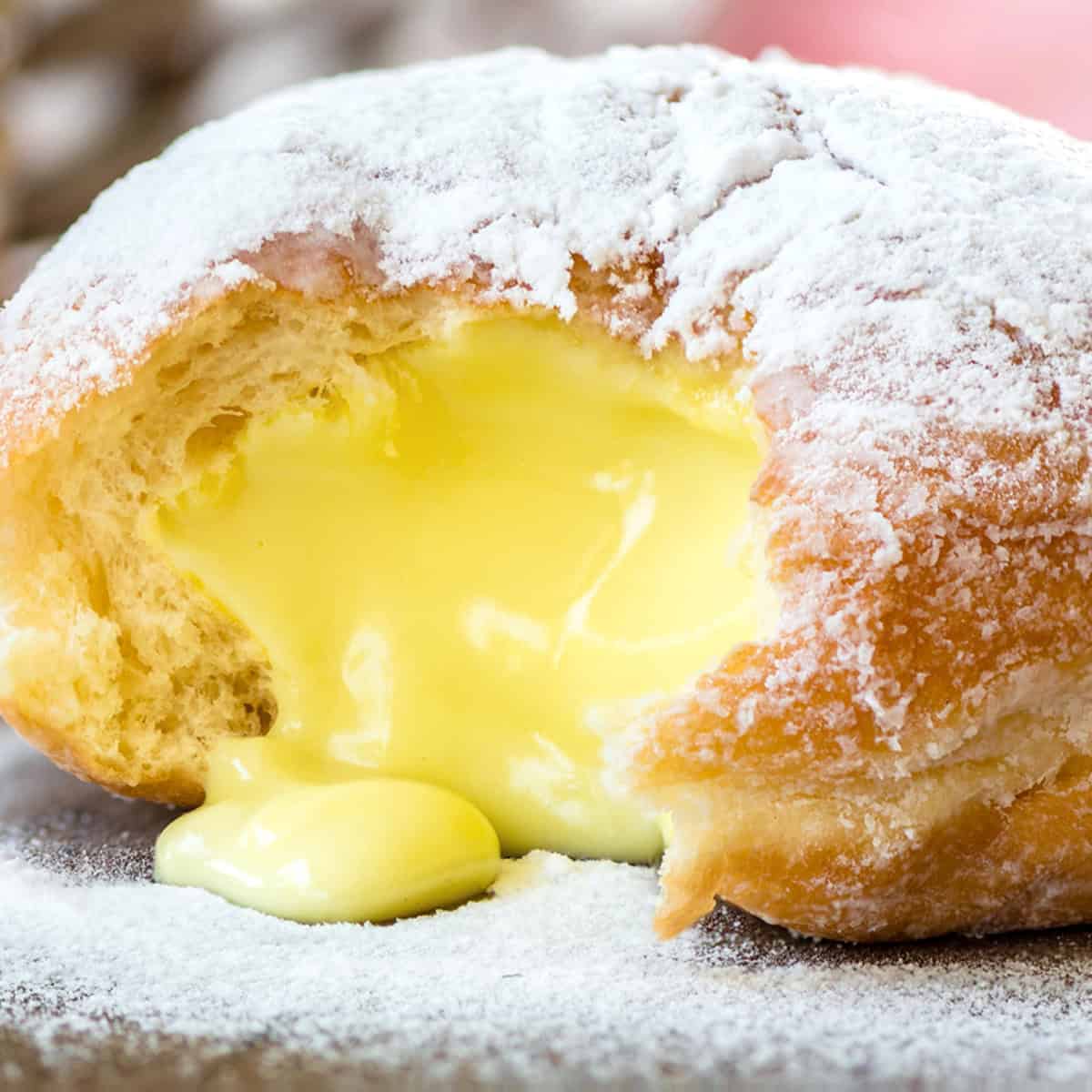
What is Bavarian Cream?
Despite its name, Bavarian cream is actually French, not German. Known in French as crème bavaroise or bavarois, its name refers to Bavaria, a German region historically celebrated for its dairy products and culinary traditions. The exact story behind the name is uncertain, but it may simply have been created as a French culinary tribute to Bavaria, or to reflect the long relationship French chefs had working for Bavaria’s Wittelsbach family, the royal dynasty from 1180 to 1918. It became associated with the celebrated 19th-century chef Marie-Antoine Carême, who helped popularize it.
Traditional Bavarian cream begins with Crème Anglaise. A setting agent, usually gelatin, is added to the custard, and whipped cream is folded into the mixture. Classic Bavarian cream is traditionally poured into a decorative mold, refrigerated until firm, and then turned out onto a plate for serving, similar in presentation to panna cotta. While it was once a crowning achievement of 19th-century haute cuisine (as were molded jelly desserts in general), you rarely see it served as a standalone molded dessert today. Instead, it’s most commonly made to be used as a cake and pastry filling. Smooth and creamy, but with enough structure to hold as a filling.
The amount of gelatin determines how the cream can be used. A firmer Bavarian cream contains enough gelatin to hold its shape after being removed from a mold. A softer version uses less gelatin and produces a creamier consistency suitable for filling cakes and pastries, including Boston cream-style desserts, doughnuts or Bismarcks, Bienenstich, trifles, and other layered desserts. Depending on how you want to use it, you can increase the gelatin if you desire.
The dessert eventually became popular outside Europe as well. In the United States, recipes for Bavarian cream appeared in Boston Cooking School publications during the late 19th century, as well as in Fannie Farmer in 1896, and has likewise become firmly established in American culinary culture.
Bavarian Cream vs. Pastry Cream
Although Bavarian cream and pastry cream (crème pâtissière) are both custard-based preparations, they are made and used differently. Bavarian cream is a custard thickened with gelatin with whipped cream is folded in, making it very smooth, silky and creamy. Pastry cream (crème pâtissière) on the other hand is generally thickened with cornstarch (sometimes flour), has a denser texture, and is not as stable as Bavarian cream. See the bottom of my blog post for ways to use Bavarian cream.
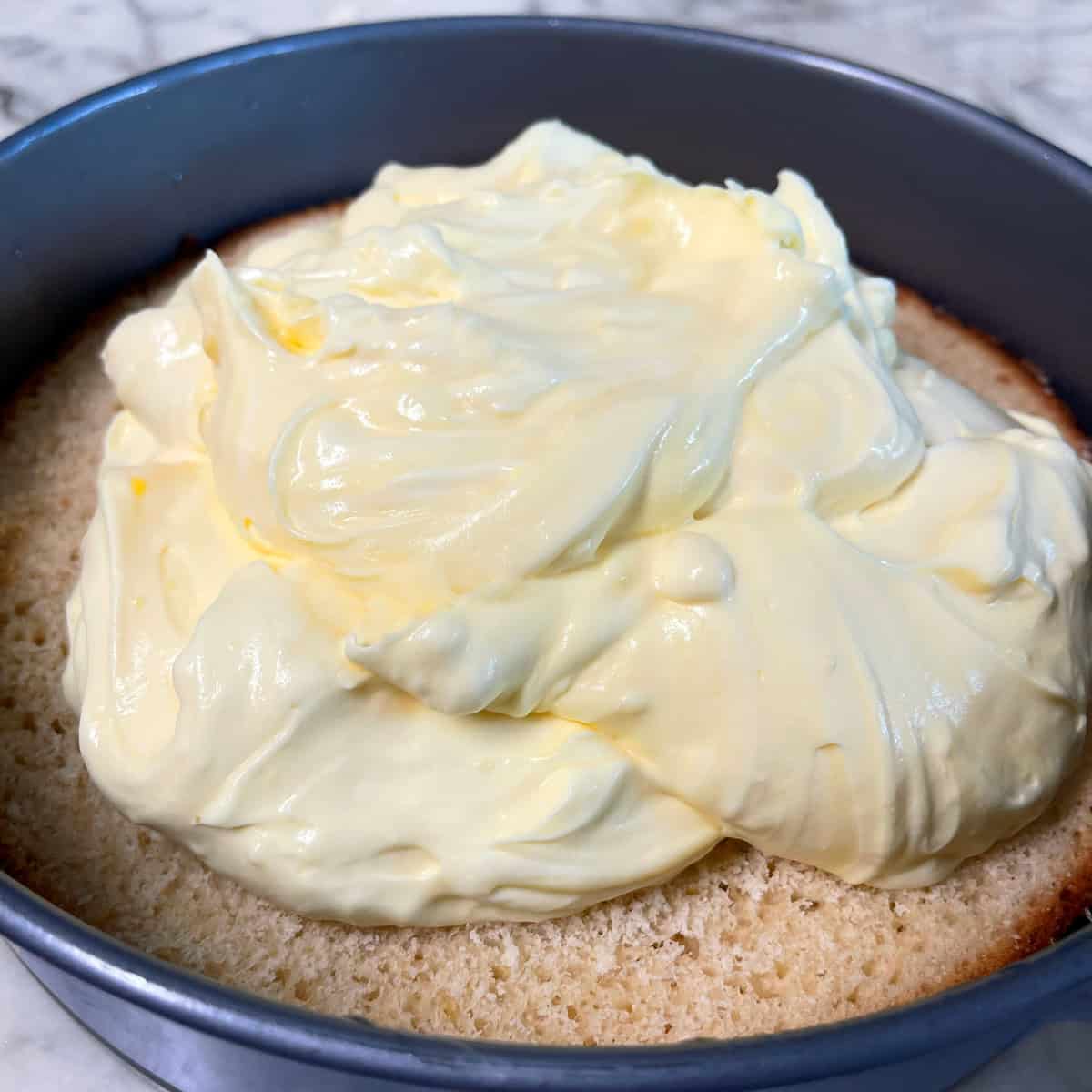
Bavarian Cream Ingredients
Bavarian cream requires just a few ingredients, all of which you probably already have except for the gelatin.
- Cold Water: Used to bloom and fully hydrate the powdered gelatin before it is added to the hot custard.
- Powdered Gelatin: Gives the Bavarian cream enough structure to be used as a cake or pastry filling. If gelatin is something you rarely use, don’t worry, it lasts for at least 2-3 years at full gelling strength, and even longer at a little reduced gelling strength. Even once opened, it will keep for many months to up to a year. Just keep it stored in a dry place. For convenience and to avoid opening up an entire jar, you can use powdered gelatin packets. Knox is typically made from pork gelatin. Alternatively, you can use 100% grass-fed beef gelatin and measure it out.
- Whole Milk: Forms the dairy base of the custard.
- Vanilla: Infuses the custard with vanilla flavor. You can use either a vanilla bean, vanilla bean paste, or pure vanilla extract. I provide instructions for using these in the recipe below.
- Egg Yolks: These thicken and enrich the custard while providing a smooth, creamy texture.
- Caster Sugar: Sweetens the custard. Caster sugar is simply very finely ground granulated sugar. You can buy it or very easily make your own (and it’s much cheaper) by pulsing granulated sugar in a blender until very fine.
- Heavy Whipping Cream: This is folded into the cooled custard to make the filling light, creamy, and mousse-like. use a heavy cream that has minimum 30% fat content.
Bavarian Cream Recipe
Let’s get started!
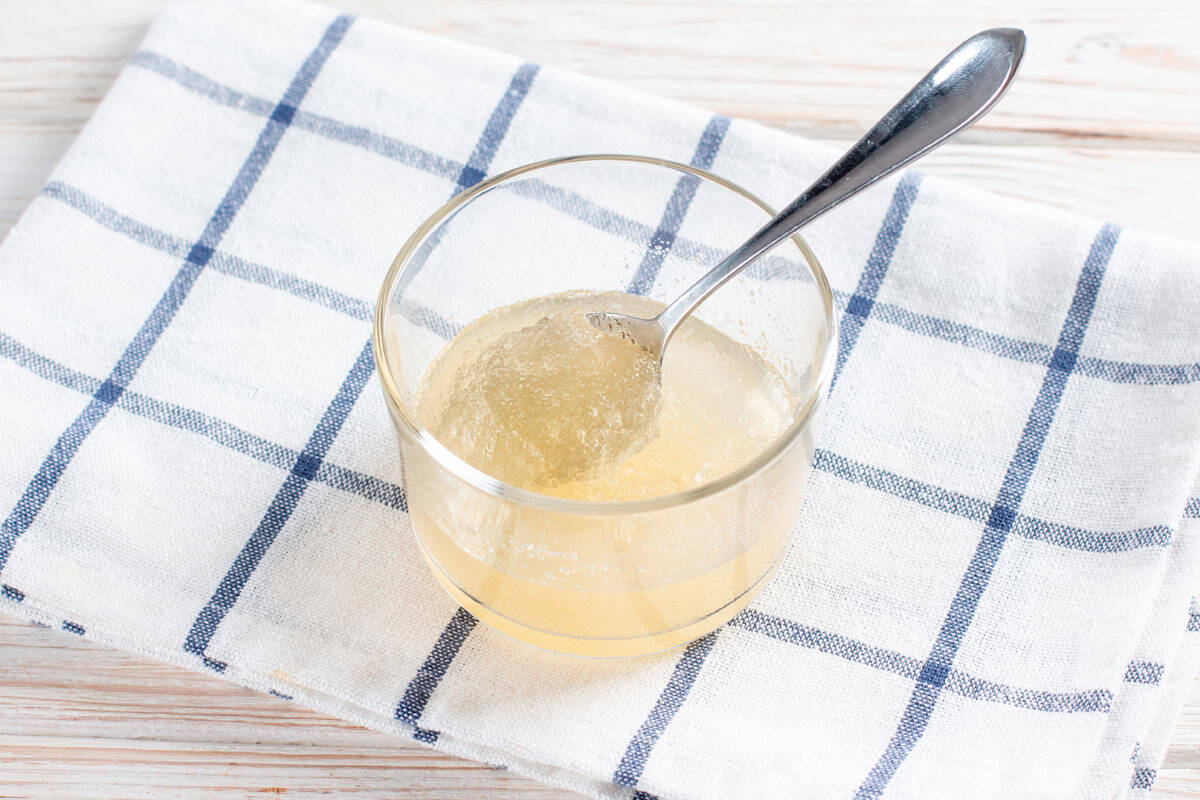
For the Gelatin: We’re going to “bloom” the gelatin. Put the cold water in a small bowl and sprinkle the powdered gelatin evenly over the entire surface of the water. Don’t dump it into one pile; sprinkling prevents dry lumps. Let it sit undisturbed for 5-10 minutes while you prepare the custard. Different gelatin sources (pork vs beef vs plant) may vary slightly in how long they take to thicken, but generally it will thicken within 10 minutes. If it’s not thick at that point, wait a little longer.
For the Vanilla: You have three options. You can either use a vanilla bean, vanilla bean paste or pure vanilla extract. If you’re using vanilla paste, you’ll add it in the beginning with the milk. If you’re using vanilla extract, you’ll stir that in very last. If you’re using a vanilla bean, slit it down the center lengthwise, scrape out the seeds and place the seeds and the bean pod in the cold milk in the saucepan. Heat over medium-low until the edges just start to simmer (don’t boil). Turn off the heat and let the vanilla pods steep for 20 minutes. Then turn the heat back on and heat it again until the edges just start to simmer. Then proceed with the recipe (don’t remove the vanilla bean yet, that will strain out when you strain the custard towards the end).
In a small mixing bowl, whisk together the egg yolks and sugar.
In a medium saucepan, heat the milk and vanilla over medium-low heat until it begins to simmer around the edges (don’t boil).
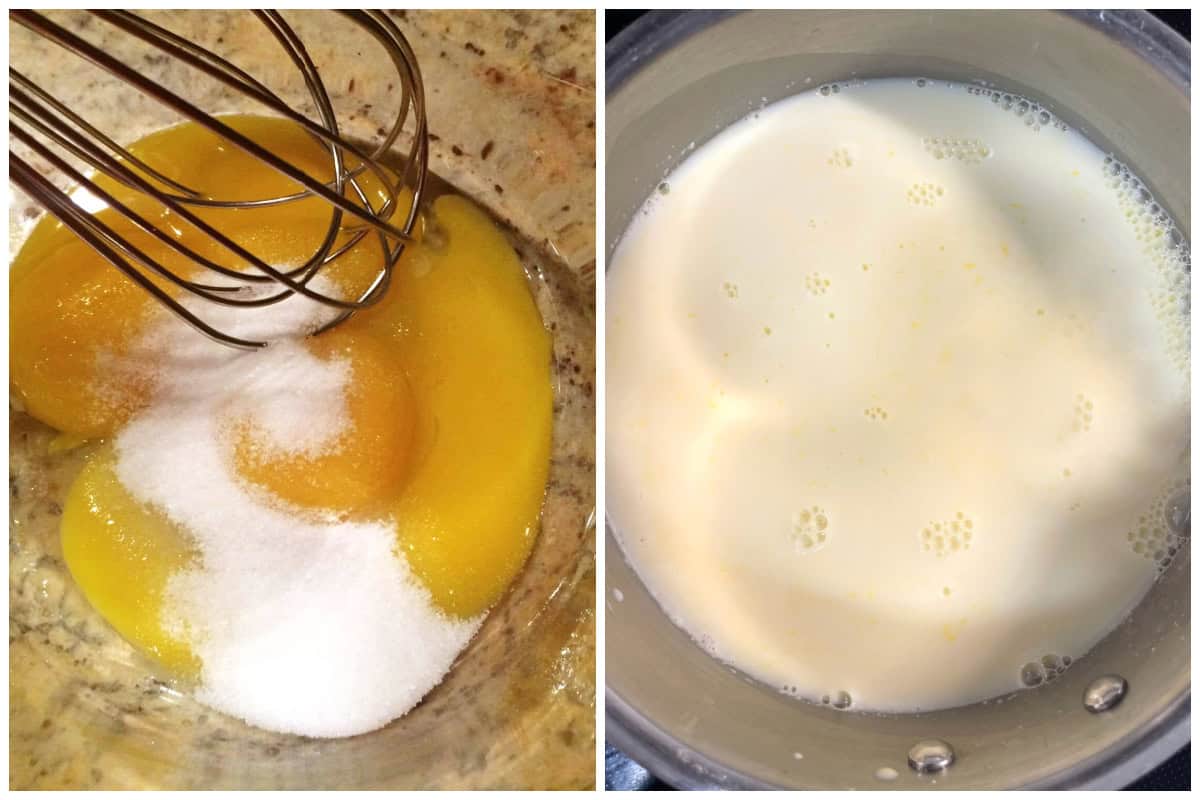
Pour about 1/2 cup of the hot milk over the egg yolk/sugar mixture, whisking constantly until the sugar is dissolved and the mixture is smooth.
Slowly pour this egg yolk mixture back to the saucepan, whisking constantly until everything is fully incorporated.
Over low heat, cook for a few minutes until the custard has thickened. As the custard reaches the correct temperature, it will begin to thicken. It’s done when it’s thick enough to coat the back of a spoon and the temperature reads 180-185 F/82-85 C.
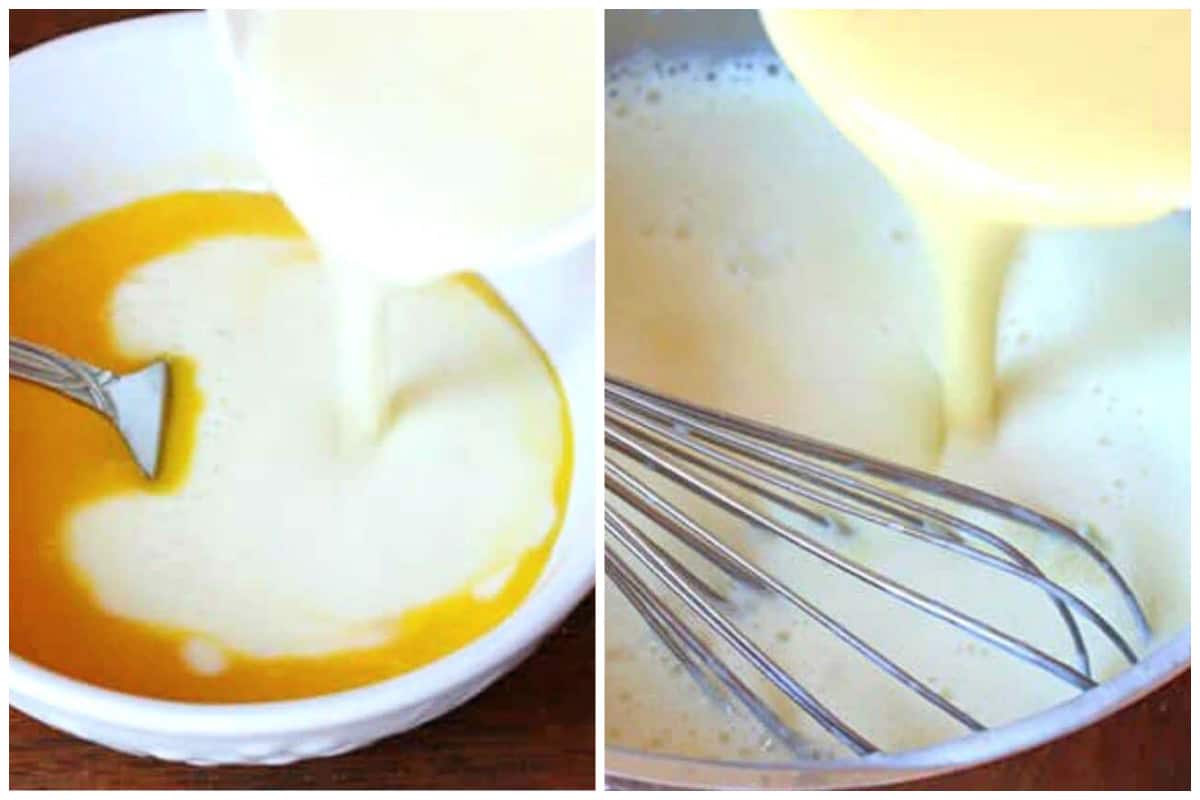
If you’re using vanilla extract, remove the custard from the heat and stir it in.
Add the gelatin: It will have thickened into a paste by now. Whisk it into the hot custard until it is completely dissolved.
Strain the custard: This will remove any small bits of cooked/curdled egg or undissolved sugar as well as the vanilla pods if you used them, and give you a silky, professional finish. To do this, pour the hot custard through a fine-mesh sieve and press gently with a spatula to push the smooth custard through. Discard the solid bits left behind in the sieve.
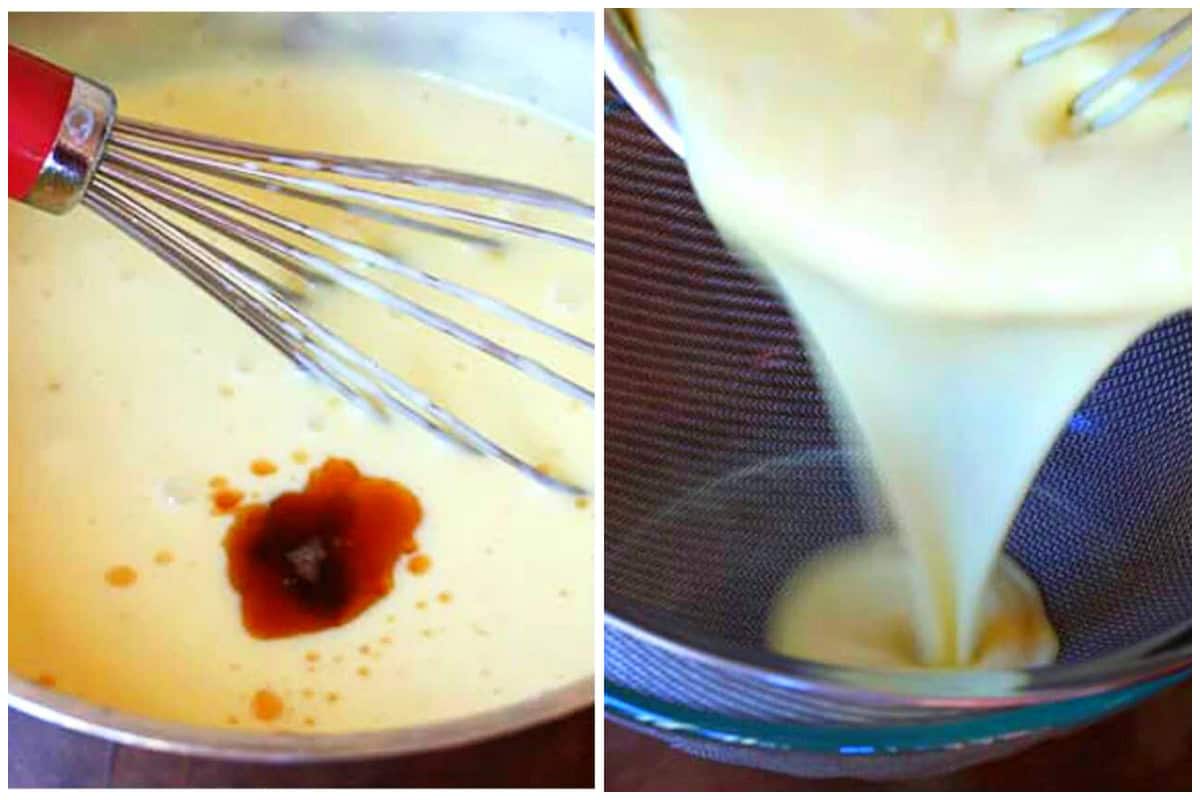
Transfer the custard to a large bowl and cover it with plastic wrap, pressing it down onto the surface of the custard to prevent to top from developing a skin. Let it cool and then transfer it to the fridge for 30-60 minutes or until it is cooled to room temperature and thickened but not fully set (alternatively, place the bowl of hot custard over an ice bath and stir to cool). You want it cool but not fully set. It should become noticeably thicker, roughly the consistency of vanilla pudding. Ideally, it should be around 75–80°F (24–27°C) before you incorporate the whipped cream. **Don’t fold whipped cream into a hot custard, because the cream will melt. And don’t wait until the gelatin has completely set, or you’ll have difficulty getting a smooth Bavarian cream.
While the custard is cooling down in the fridge, beat the heavy whipping cream and powdered sugar in a large mixing bowl until stiff peaks form. Be careful not to over-beat it or it will turn to butter.
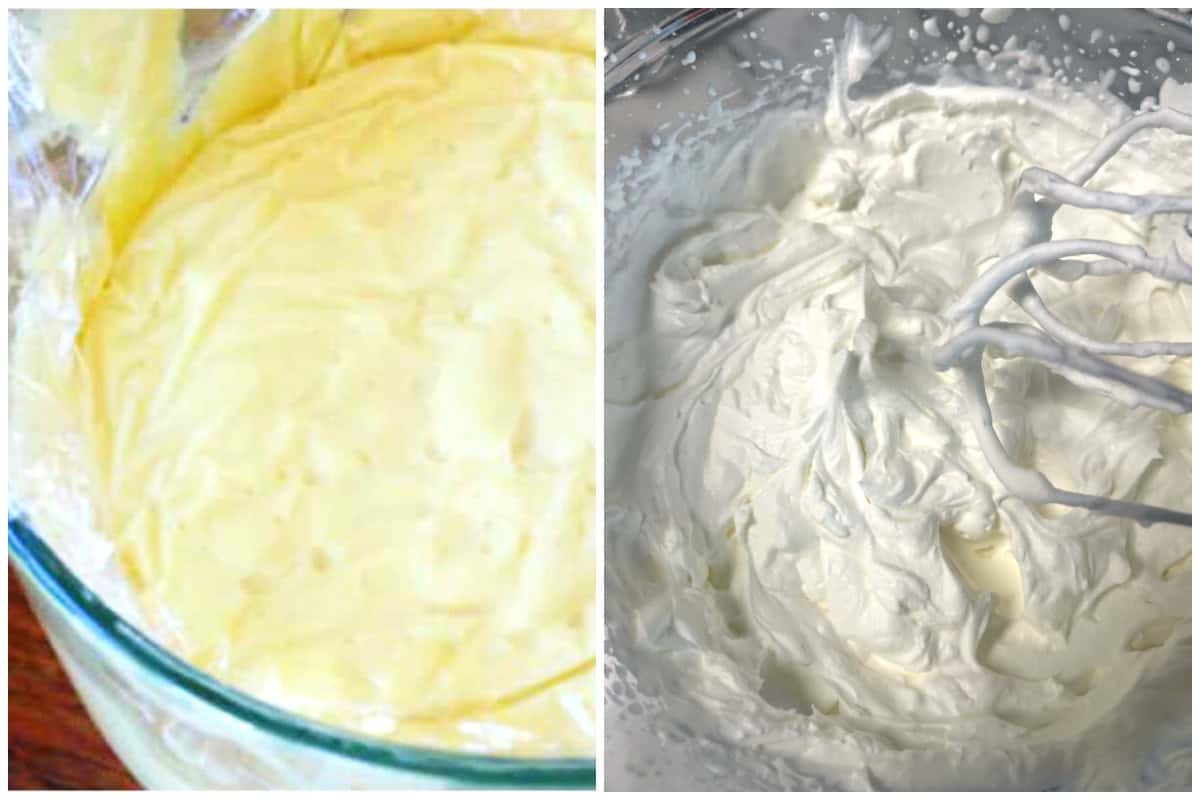
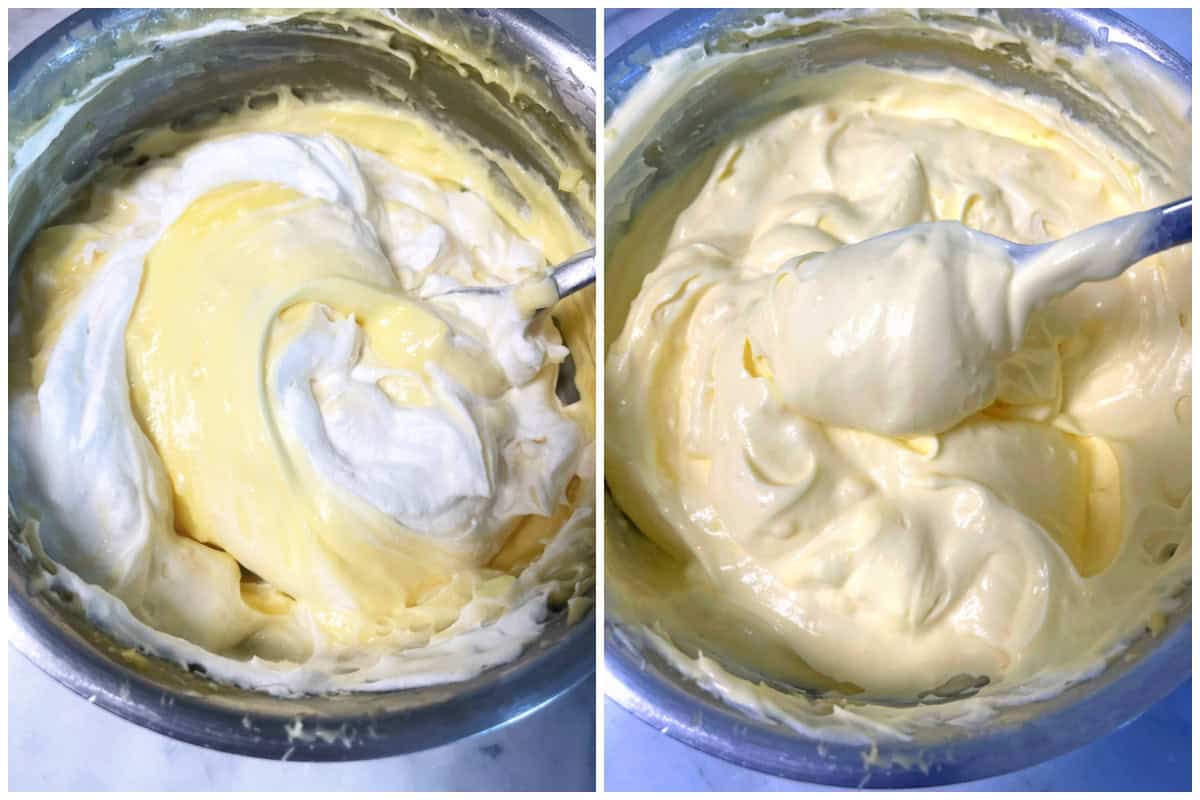
Take the custard out of the fridge and whisk it to loosen it up. Gently fold the whipped cream into the custard, adding about a third of it at a time. (If your filling is thicker than you like it, you can soften it by adding a little more whipped cream.)
If you’re serving the Bavarian Cream as a dessert, scoop it directly into the serving cups now, cover each cup with some plastic wrap, and refrigerate for at least 2 hours to set. If you’re using it as a cake filling or to pipe into pastries, place the bowl of Bavarian Cream in the fridge, covered with plastic wrap, and likewise let chill for at least two hours (note: it’s best to chill filled cakes for at least 4 hours or overnight). Store the Bavarian Cream in the fridge until ready to use.
How to Store Bavarian Cream
For the best texture, use the Bavarian cream within 48 hours, but it will keep in the fridge for up to 3 days. Store it in a bowl and press plastic wrap directly against the surface to prevent a skin from forming.
Bavarian does not freeze well.
This Bavarian cream recipe makes roughly 4 cups.
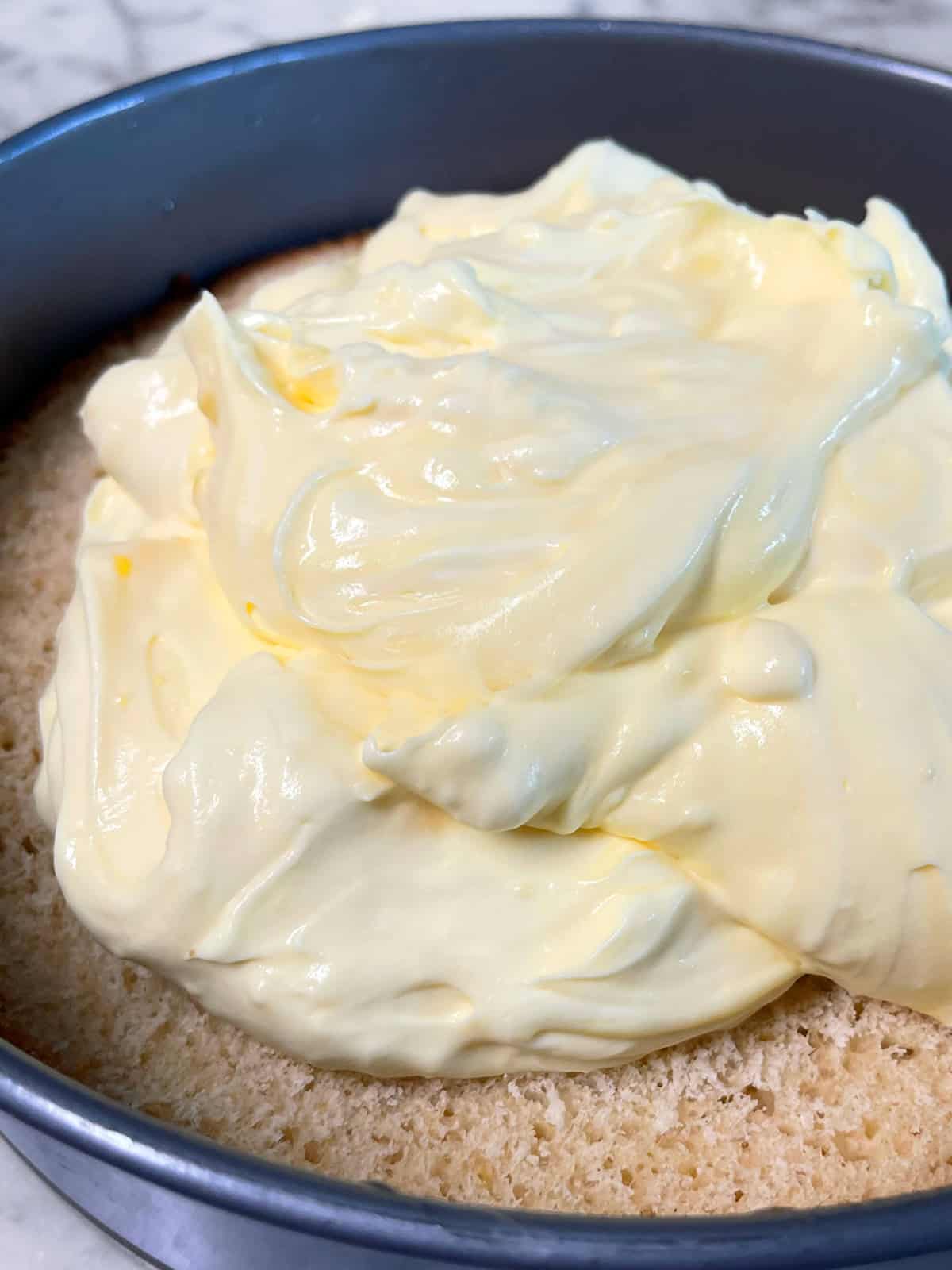
How to Use Bavarian Cream
Traditionally, Bavarian cream or crème bavaroise was served in individual fluted molds, like panna cotta, and with a firm texture (to do this, you would need to add more gelatin). This recipe is for a looser, creamier Bavarian Cream that you can still serve on its own in cups as mousse-like dessert, but is also perfect for using as a cake or pastry filling. Here are a few ways you can use it:
- As a cake filling (e.g., Bienenstich, Boston Cream Pie or as an alternative filling for Victoria Sponge Cake).
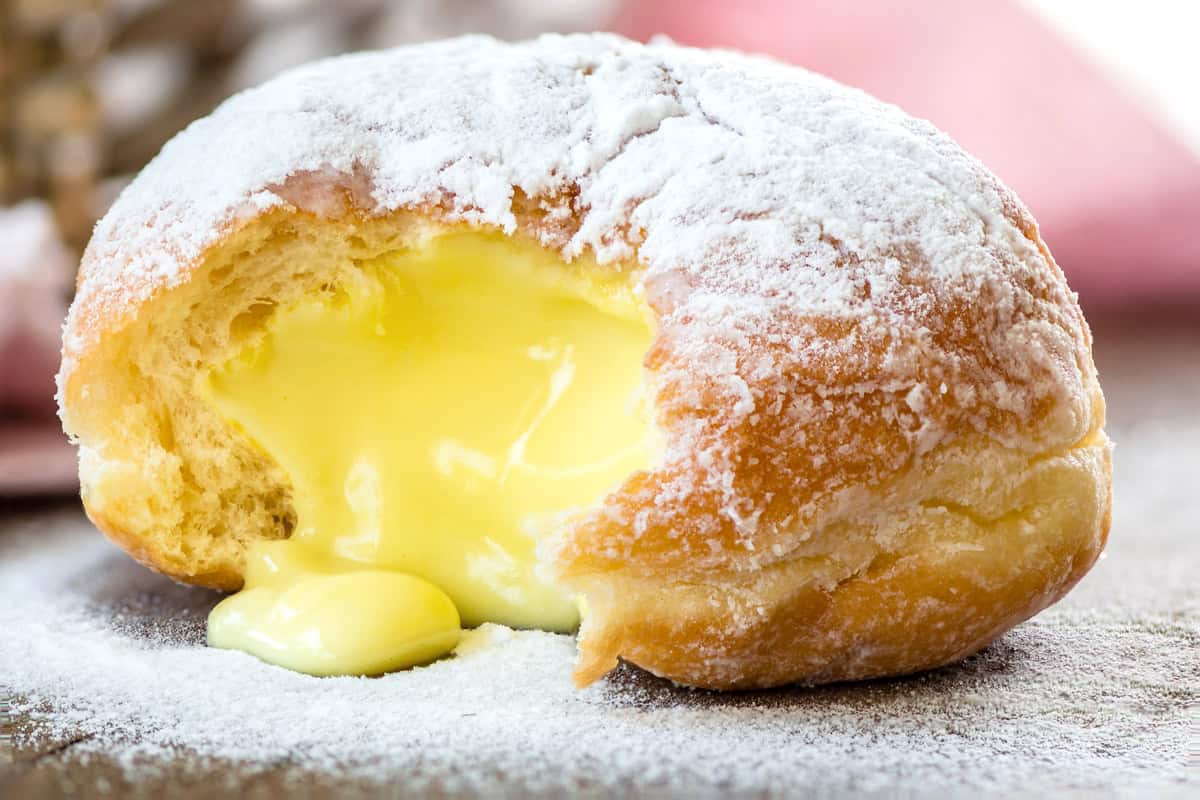
- As a filling for pastries like turnovers, Berliner, Boston cream donuts/Bavarian cream bismarks, cream puffs, and éclairs.
- In English trifle or combine it with ladyfingers and lemon curd for a twist on tiramisu.
- In individual dessert cups or ramekins with crumbled cookies such as Speculoos Cookies, chocolate shavings, fresh berries, fruit coulis or Rote Grütze.
Enjoy!
For more homemade dessert sauces try my:
- Crème Anglaise
- Cherry Sauce
- Vanilla Sauce
- Lemon Curd
- Eggnog Custard
- Brandy Butter
- Golden Syrup
- Toffee Sauce
- Caramel Sauce
- Honey Peach Cardamom Sauce
Save This Recipe

Bavarian Cream (Crème Bavaroise)
Ingredients
- 1 envelope gelatin powder (pork sourced) (equals 2 1/2 teaspoons or 7.2 grams)
- or beef sourced gelatin powder (2 1/2 teaspoons or 7.2 grams)
- 3 tablespoons cold water
- 1 1/4 cups whole milk
- 1 vanilla bean (can substitute 2 1/2 teaspoons vanilla bean paste or 2 1/2 teaspoons vanilla extract
- 4 egg yolks
- 1/3 cup caster sugar (or make your own by pulsing granulated sugar in a blender until very fine)
- 1 1/4 cups heavy whipping cream (min. 30% fat)
Instructions
- For the Gelatin: You're going to "bloom" the gelatin. Put the cold water in a small bowl and sprinkle the powdered gelatin evenly over the entire surface of the water. Don't dump it into one pile; sprinkling prevents dry lumps. Let it sit undisturbed for 5-10 minutes while you prepare the custard. If it hasn't thickened after 10 minutes, wait a little longer. For the Vanilla: You have three options. You can either use a vanilla bean, vanilla bean paste or pure vanilla extract. If you're using vanilla paste, you'll add it in the beginning with the milk. If you're using vanilla extract, you'll stir that in very last. If you're using a vanilla bean, slit it down the center lengthwise, scrape out the seeds and place the seeds and the bean pod in the cold milk in the saucepan. Heat over medium-low until the edges just start to simmer (don't boil). Turn off the heat and let the vanilla pods steep for 20 minutes. Then proceed with the recipe (don't remove the vanilla bean yet, that will strain out when you strain the custard towards the end).
- In a small mixing bowl, whisk together the egg yolks and sugar.In a medium saucepan, heat the milk and vanilla over medium-low heat until it starts to simmer around the edges (don't boil). Pour about 1/2 cup of the hot milk over the egg yolk/sugar mixture, whisking constantly until the sugar is dissolved and the mixture is smooth.Slowly pour this egg yolk mixture back to the saucepan, whisking constantly until everything is fully incorporated.Over low heat, cook for a few minutes until the custard has thickened. As the custard reaches the correct temperature, it will begin to thicken. It's done when it's thick enough to coat the back of a spoon and the temperature reads 180-183 F/82-85 C. For best results I recommend using an instant read thermometer.If you're using vanilla extract, remove the custard from the heat and stir it in.
- Add the gelatin. It will have thickened by now. Whisk the gelatin into the hot custard until it is completely dissolved.Strain the custard. Pour the hot custard through a fine-mesh sieve and press gently with a spatula to push the smooth custard through. Discard the solid bits left behind in the sieve.Transfer the custard to a large bowl and cover it with plastic wrap, pressing it down onto the surface of the custard to prevent to top from developing a skin. Let it cool for a few minutes and then transfer it to the fridge for 30-60 minutes or until it is cooled to room temperature and thickened but not fully set. You want it cool but not fully set. It should become noticeably thicker, roughly the consistency of vanilla pudding. Ideally, it should be around 75–80°F (24–27°C) before you incorporate the whipped cream. **Don't fold whipped cream into a hot custard, because the cream will melt. And don't wait until the gelatin has completely set, or you'll have difficulty getting a smooth Bavarian cream.
- While the custard is cooling down, beat the heavy whipping cream and powdered sugar in a large mixing bowl until stiff peaks form. Be careful not to over-beat it or it will turn to butter.Take the custard out of the fridge and whisk it to loosen it up. Gently fold the whipped cream into the custard, adding about a third of it at a time. (If your filling is thicker than you like it, you can soften it by adding a little more whipped cream.)If you're serving the Bavarian Cream as a dessert, scoop it directly into the serving cups now, cover each cup with some plastic wrap, and refrigerate for at least 2 hours to set. If you're using it as a cake filling or to pipe into pastries, place the bowl of Bavarian Cream in the fridge, covered with plastic wrap, and likewise let chill for at least two hours (note: it's best to chill filled cakes for at least 4 hours or overnight to give them time to set). Store the Bavarian Cream in the fridge until ready to use.For the best texture, use the Bavarian cream within 48 hours, but it will keep in the fridge for up to 3 days. This makes roughly 4 cups.
Nutrition

Hi, I’m Kimberly Killebrew and welcome to Daring Gourmet where you'll find delicious originals, revitalized classics, and simply downright good eats from around the world! Originally from Germany, later raised in England, world-traveled, and now living in the U.S., from my globally-influenced kitchen I invite you to tour the world through your taste buds!

















One Comment