
Berbere (Ethiopian Spice Blend)

This post may contain affiliate links. See my disclosure policy.
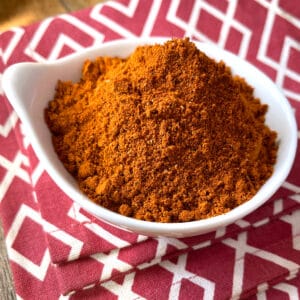
Central to Ethiopian cuisine is Berbere, a fiery hot and fragrant spice blend bursting with flavor. Now you can make your own right at home with my authentic berbere recipe that will bring life, flavor, and some serious kick to your food!
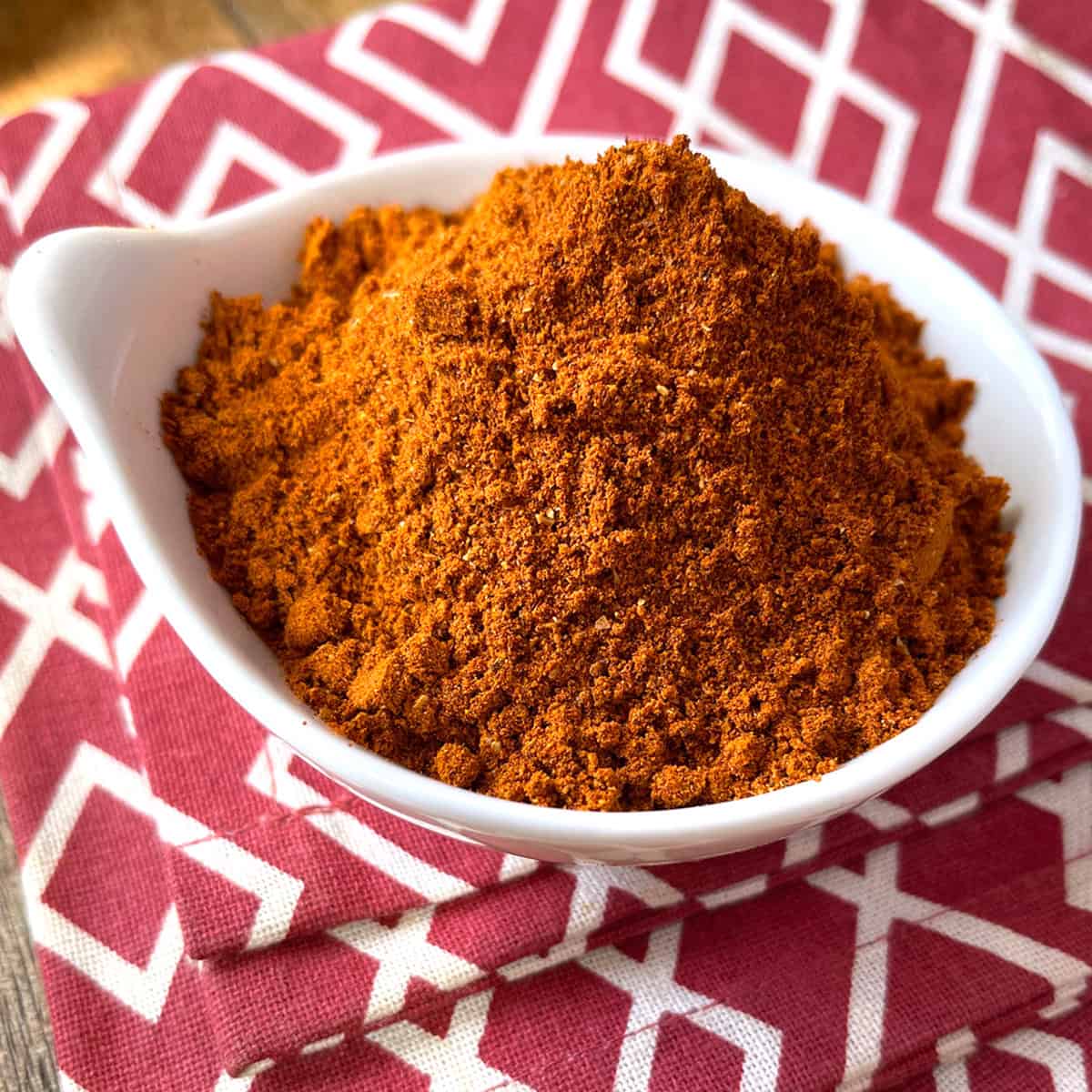
What is Berbere?
Berbere is a bold and fragrant spice blend known for its deep red color and complex flavor and is an integral ingredient in Ethiopian cuisine, most notably Doro Wat, the famous spicy chicken stew. It’s also known for its potent heat and this spice is not for the faint of heart – or taste buds. Every Ethiopian cook has their own version of this blend. Some versions include lesser known spices like nigella seeds, ajwain, and korarima, a spice that grows wild in Ethiopia. Whatever the version, there are several key spices that are common to all and the result is a fiery, bright red, highly aromatic and flavorful seasoning blend. It’s fantastic as a rub for meat, poultry and fish, a seasoning for stews, soups, grains and vegetables (see below for recommendations). Berbere makes a wonderful all-purpose seasoning.
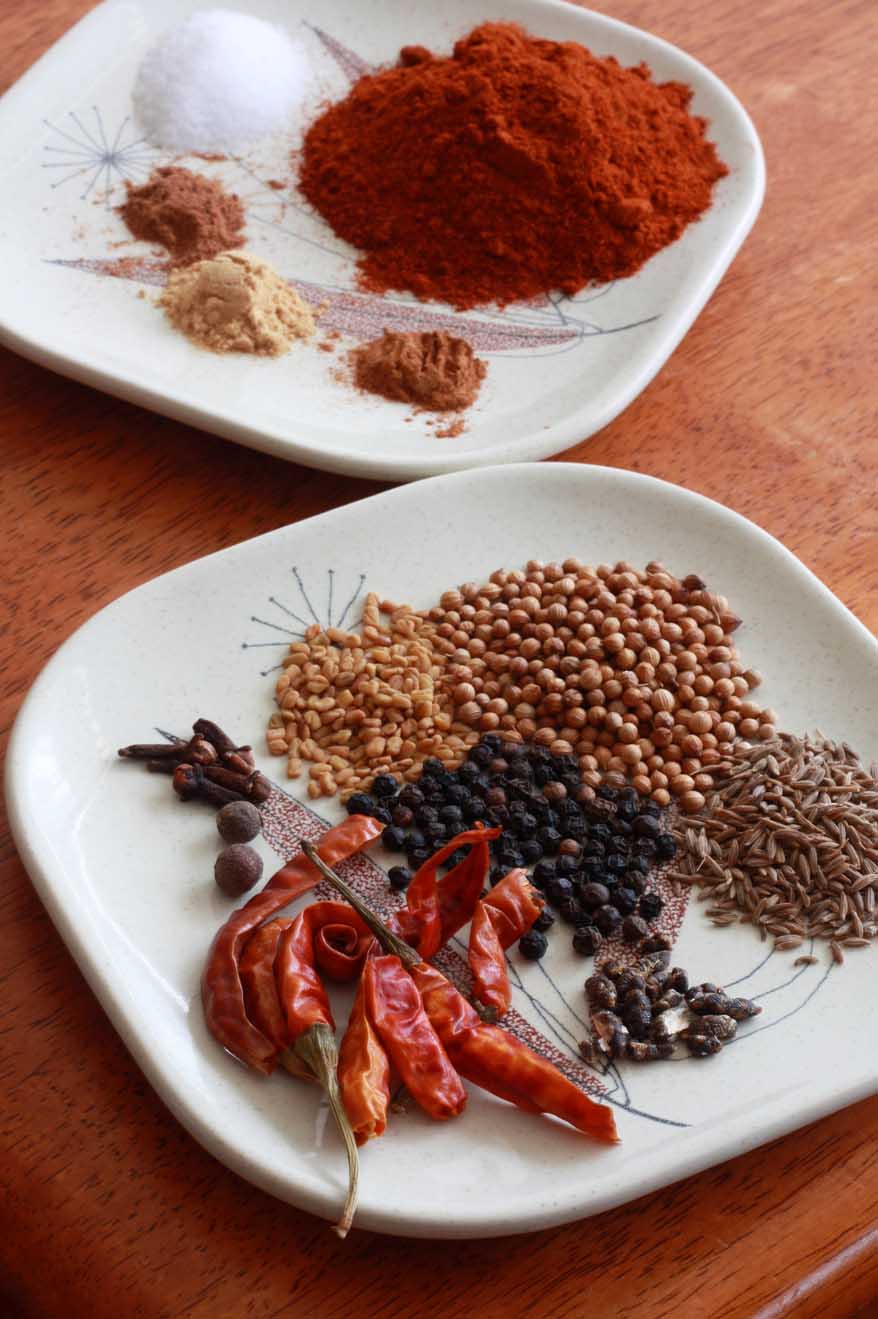
Berbere Ingredients
Berbere is made up of several spices and I strongly recommend using whole spices wherever and whenever possible. The whole spices are toasted, cooled and ground, yielding maximum flavor. If you already have these spices in ground form and don’t want to purchase the whole spices, you can substitute pre-ground. To make berbere you’ll need a combination of pre-ground spices and whole spices that you’ll toast and grind.
For the whole spices you will need:
- Coriander Seeds
- Cumin Seeds
- Green Cardamom Seeds
- Dried Red Chili Peppers
- Whole Allspice Berries
- Whole Cloves
- Fenugreek Seeds
- Black Peppercorns
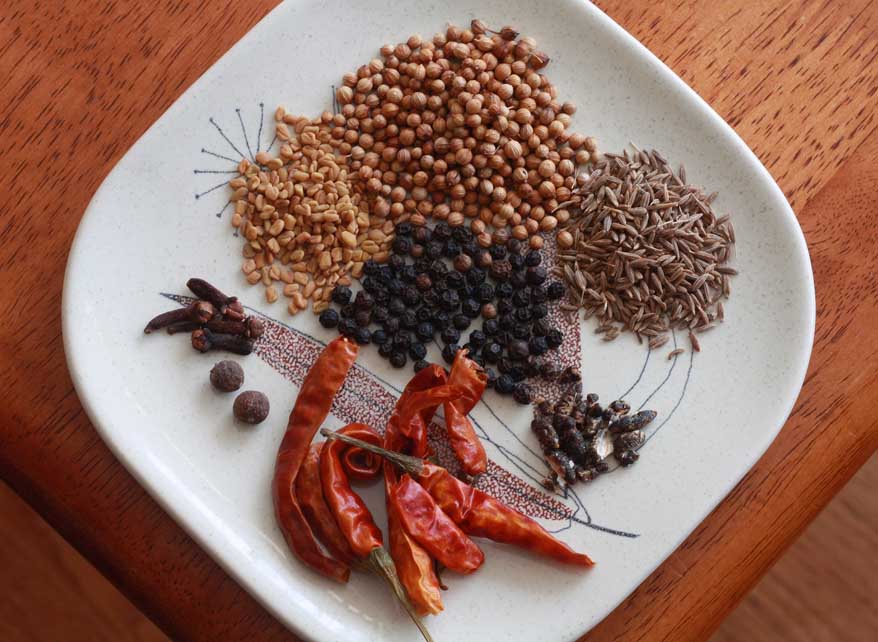
For the ground spices you will need:
- Sweet Paprika
- Ground Cinnamon
- Ground Ginger
- Ground Turmeric
- Ground Nutmeg
- Kosher Salt
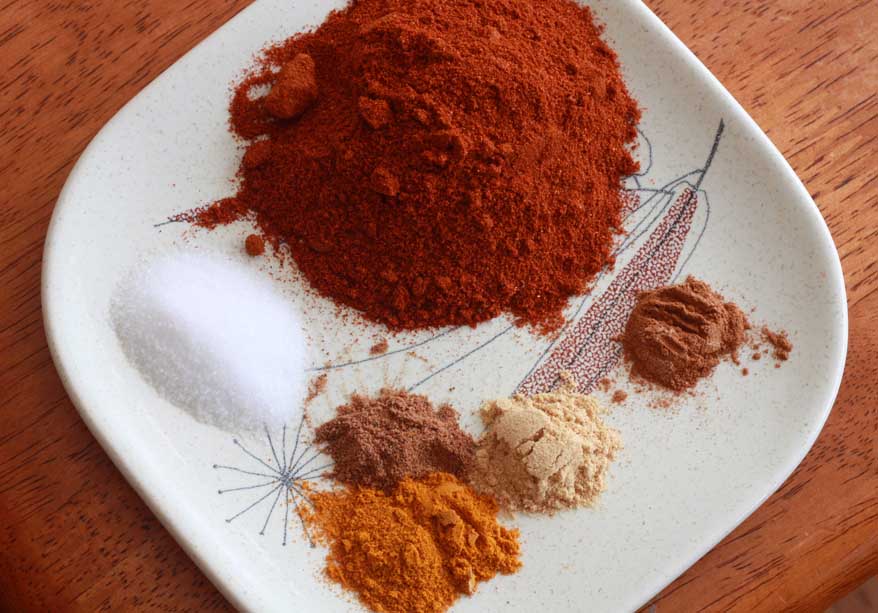
Berbere Recipe
Let’s get started!
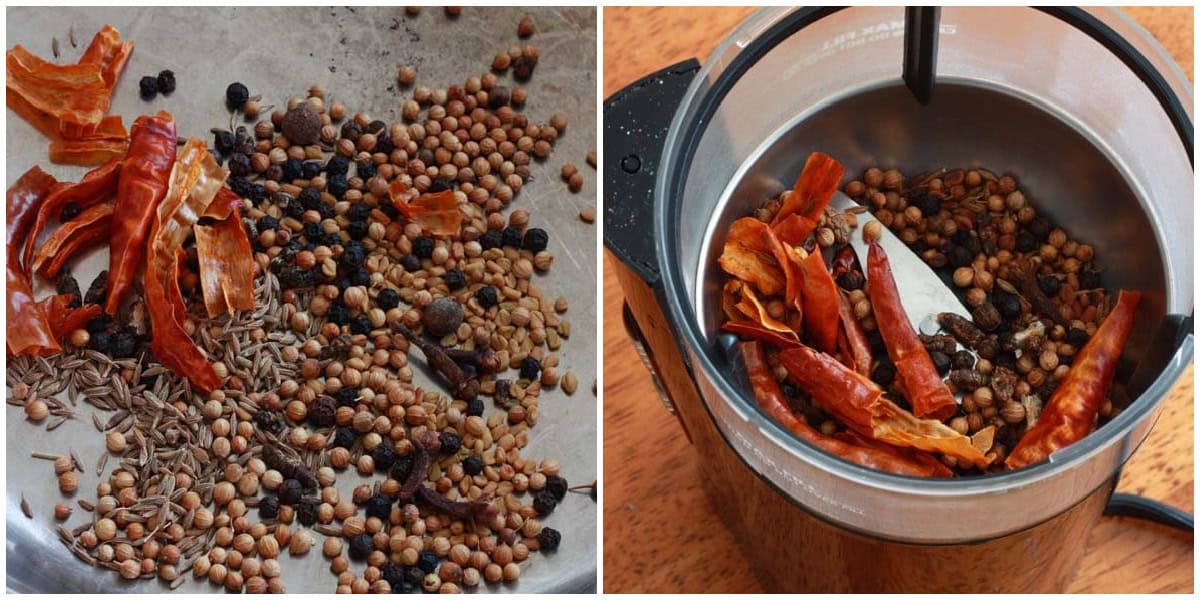
First, we’re going to toast the whole spices and red chilies. This releases their natural oils, flavor and aroma. Heat a skillet over high heat and toast the seeds until very fragrant, about 3 minutes. Shake regularly to prevent scorching. Transfer them to a bowl to cool completely.
Note: If you aren’t afraid of extreme heat, leave the membranes and a few of the seeds in while de-seeding the chilies.
Once cooled, grind the whole spices in a spice or coffee grinder.
Next, add the powdered spices to the spice/coffee grinder.
Grind all the spices to a powder.
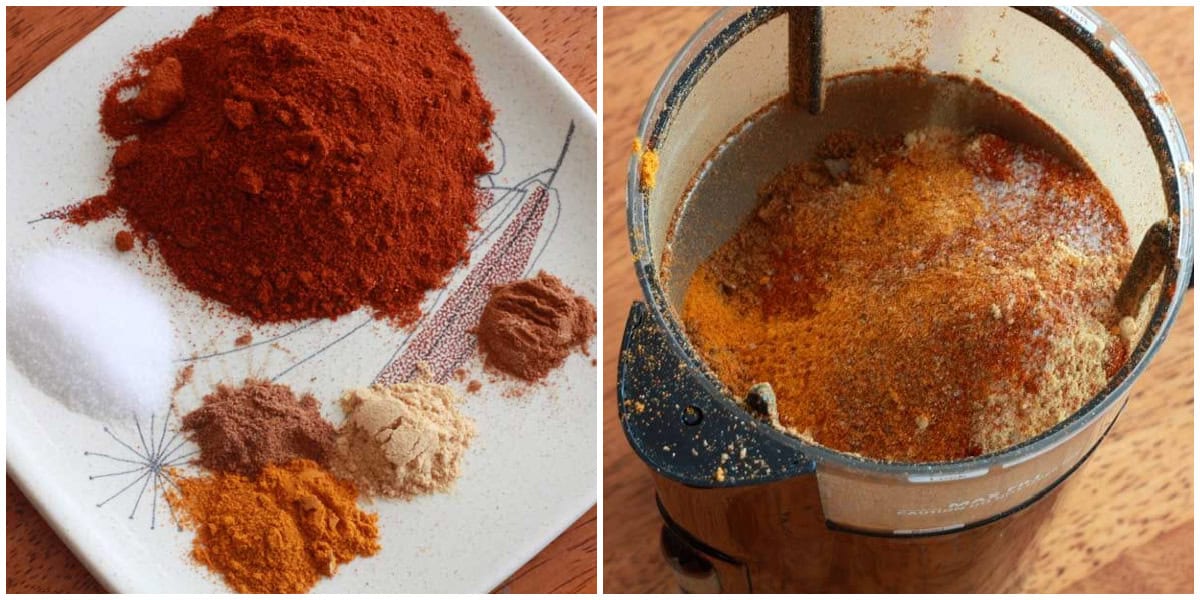
Transfer the blend to a jar with a lid.
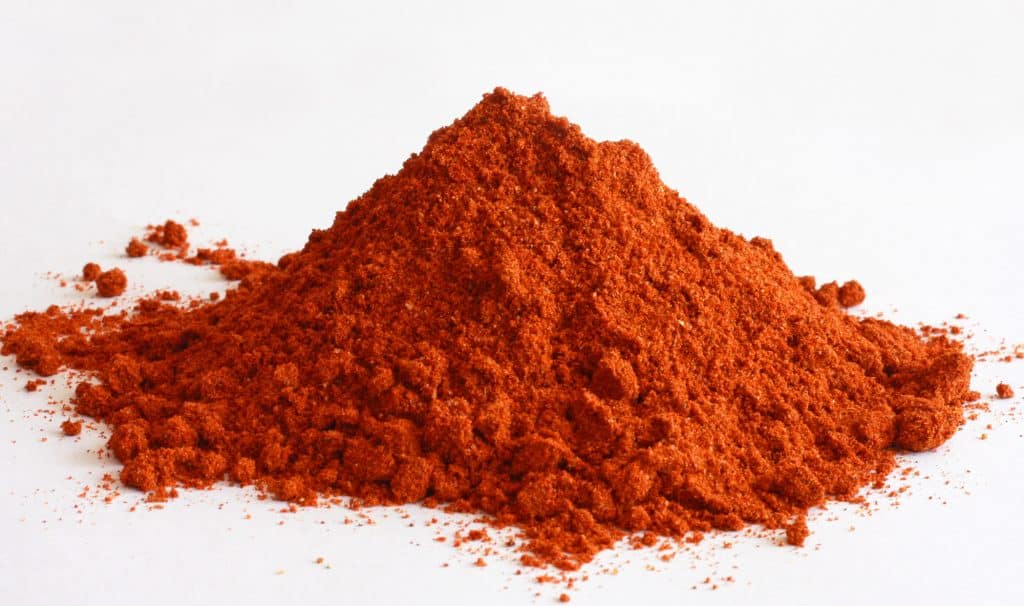
Store the Berbere in an airtight jar in a dark, cool place until ready to use. This will keep for several months for maximum flavor use it within 3 months.
How to Use It
Berbere is a flavorful and fragrant spice blend that can be used in a variety of dishes. Remember, this seasoning blend is very potent and a little goes along way, so start with less and add as desired. Here are just a few ways you can use it:
- Stews and Curries: It’s most famously used in Ethiopian Doro Wat and Sega Wat. It can be used in a variety of stews to give them a flavor boost and some spicy kick.
- Lentils and Beans: Whether lentil or bean soups or salads, berbere really brings legumes to life. It’s classically used in Ethiopia’s famous lentil dish, Misir Wat.
- Vegetables: Just a pinch of it over roasted, grilled or steamed vegetables adds flavor and color.
- Grains: Stir into rice, quinoa or couscous to infuse them with flavor.
- Meat Rub or Marinade: Use it as a dry rub on meats, seafood or poultry before grilling, or combine it with some oil or yogurt to rub onto the meat before cooking.
- Scrambled Eggs and Avocado Toast: It adds the perfect kick and flavor.
- Compound Butter: Like Ethiopia’s famous Niter Kibbeh, Berbere can be added to melted butter and poured into a mold to make a spicy and flavorful compound butter that’s delicious on steaks, poultry, seafood, and vegetables.
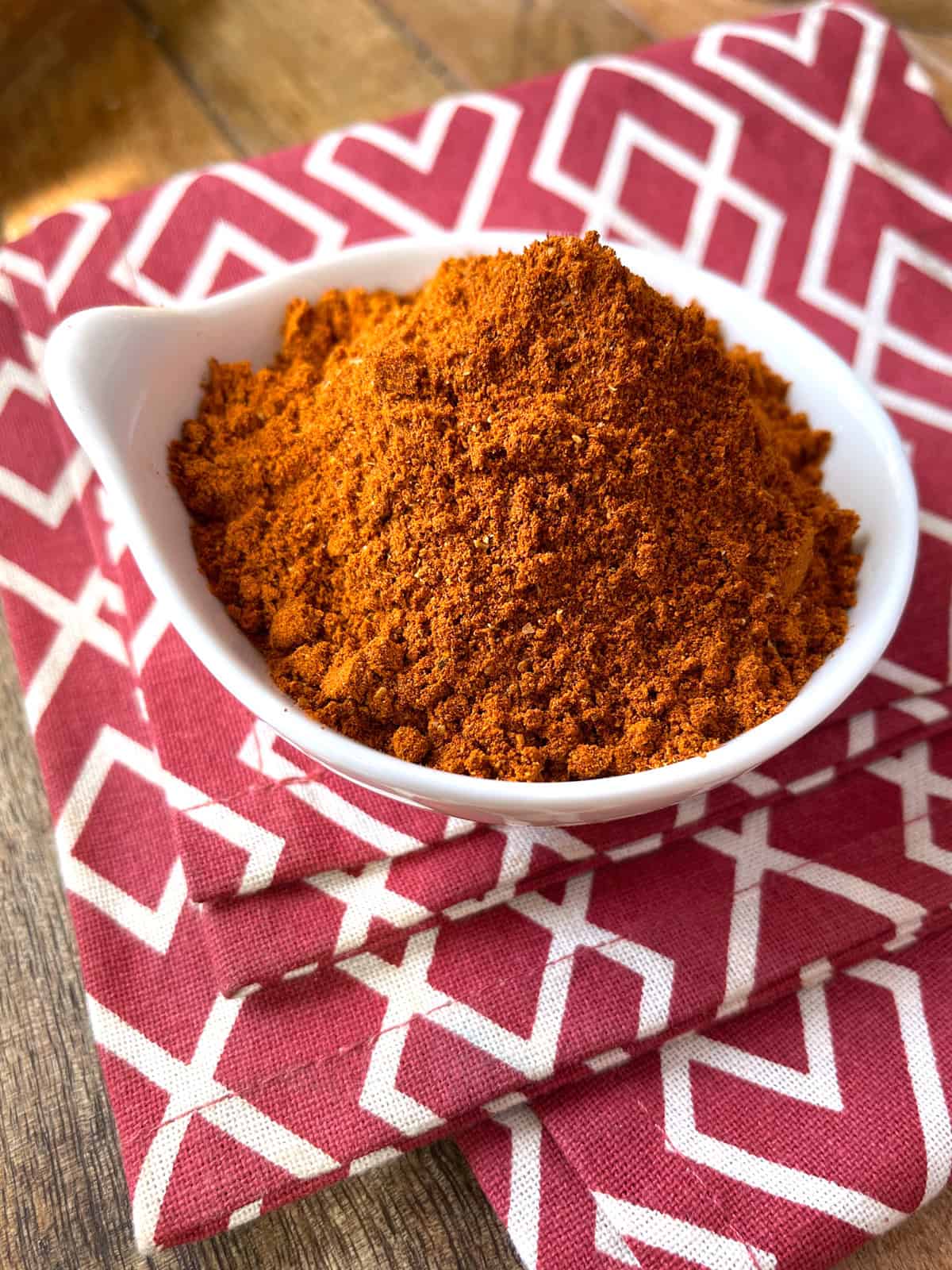
For more delicious seasoning blends from around the world to try my:
Save This Recipe
Berbere (Ethiopian Spice Blend)
Equipment
Ingredients
- 2 teaspoons coriander seeds
- 1 teaspoon cumin seeds
- 1/2 teaspoon fenugreek seeds
- 1 teaspoon black peppercorns
- 2 whole allspice berries
- Seeds of 4 green cardamom pods
- 4 cloves
- 5 dried red chilies , seeds and membranes removed and broken into small pieces (see Note)
- 3 tablespoons sweet paprika
- 1 teaspoon turmeric
- 1 teaspoon kosher or sea salt
- 1/2 teaspoon ground ginger
- 1/4 teaspoon nutmeg
- 1/4 teaspoon cinnamon
Instructions
- In a heavy skillet over high heat, toast the whole spices (seeds) and chilies, shaking the pan regularly to prevent scorching, until very fragrant, about 3 minutes. Transfer to a bowl and let cool completely.
- Grind the cooled spices in a spice or coffee grinder. Add all remaining ground spices and salt and grind everything together.Store in an airtight container in a dark, cool place. Will keep for up to 3 months.
Notes
Nutrition
Originally published on The Daring Gourmet August 26, 2013

Hi, I’m Kimberly Killebrew and welcome to Daring Gourmet where you'll find delicious originals, revitalized classics, and simply downright good eats from around the world! Originally from Germany, later raised in England, world-traveled, and now living in the U.S., from my globally-influenced kitchen I invite you to tour the world through your taste buds!

















Love this recipe! I followed this step by step and it was very authentic. Holds well to store for a few weeks as well!
Thanks so much, Ana!
I did this according to the recipe, but used only two chilis instead of five and it turned out great. I did this on purpose to keep the heat down so I can use the same berbere even when cooking for people not as keen on spiciness as I am. If I want it spicier, I’ll just add some extra chilis when I cook for only me. Great recipe that I will do again!
Fantastic, Mats, I’m so glad you enjoyed it, thank you!
Is there a chilli pepper I can use that has the flavor but not the heat ?
Not really, Donna, and the chilies in this are mostly for the heat too, they don’t really contribute a whole lot of flavor. If you don’t want the heat just omit the chilies and the blend will still taste amazing.
Guajillo or ancho is pretty mild.
very good test berbere with chicken
Thank you, amin!
😋😋😋
My husband and I do not like or enjoy the heat from chilli’s so I would omit them. Would the flavour be severely compromised?
Hi Jo! No, not at all. The hot chilies are in there primarily for the heat, not the flavor.
You’ve made my day. Thankyou ☺
Please add Eritrea . It is a small country in EasternAfrica!!
Made this and it is AWESOME! Lots of flavor, lots of heat, it’s my go to all-purpose seasoning now. Thank you!
Fantastic, Nathan, thanks so much!